
$

PAUS ID

Padjadjaran Authentication System.

$

Portal Mahasiswa

Merupakan portal informasi bagi mahasiwa UNPAD

$

Portal Staff

Merupakan portal informasi bagi staf UNPAD.

$

Email UNPAD

Layanan email berbasis Google App for Education (GAFE) bagi seluruh sivitas akademika Unpad.

UNPAD

Correlation Between Systemic Inflammation Response Index and Systemic Immune-Inflammation Index and Disease Activity of Lupus Nephritis in Children
Correlation Between Systemic Inflammation Response Index and Systemic Immune-Inflammation Index and Disease Activity of Lupus Nephritis in Children

34

Authors
Desi Mutiarati, Gartika Sapartini , Sri Endah Rahayuningsih, Dany Hilmanto, Eddy Fadlyana and Dedi Rachmadi

Affiliations
Department of Child Health, Faculty of Medicine, Universitas Padjadjaran, Hasan Sadikin General Hospital,Bandung 40161, Indonesia

Background

• Lupus nephritis (LN) is a severe complication of childhood systemic lupus erythematosus.

• Accurate and accessible tools to assess disease activity are needed.

Methods

• Cross-sectional study of 52 children with LN at Dr. Hasan Sadikin General Hospital, Indonesia.

• SIRI and SII were calculated from complete blood counts; disease activity was scored with Mex-SLEDAI.

• Correlations were analysed with Spearman’s test.

Key Results

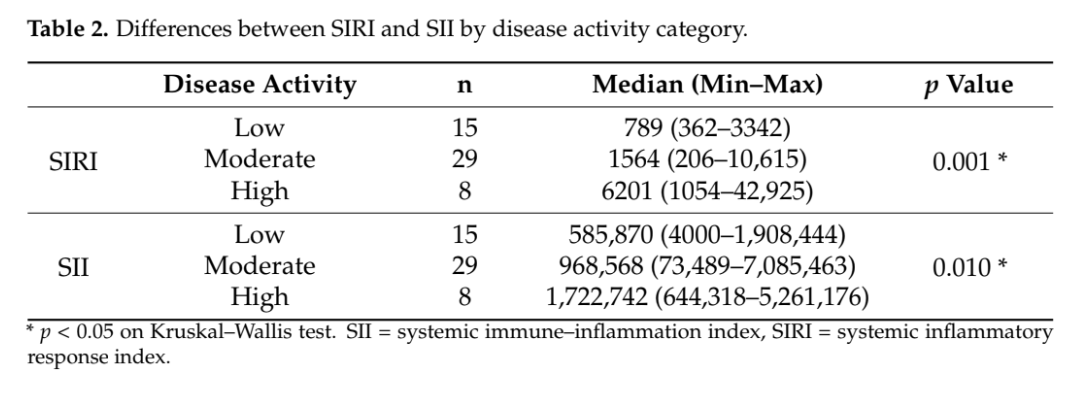
• Median SIRI was 1,511, median SII was 789,544, and median Mex-SLEDAI score was 7.

• SIRI correlated moderately with disease activity (r = 0.443), and SII also correlated significantly (r = 0.390).

• Both indices increased with higher LN activity.

Discussion & Conclusion

• SIRI and SII may serve as simple, non-invasive biomarkers of inflammatory activity in pediatric LN.

• Both are derived from routine blood counts, making them easy to apply in practice.

Related SDGs

SDG 3: Good Health and Well-Being – Improving monitoring of chronic disease in children

Journal Information

Journal: Children

DOI: https://doi.org/10.3390/children13040530

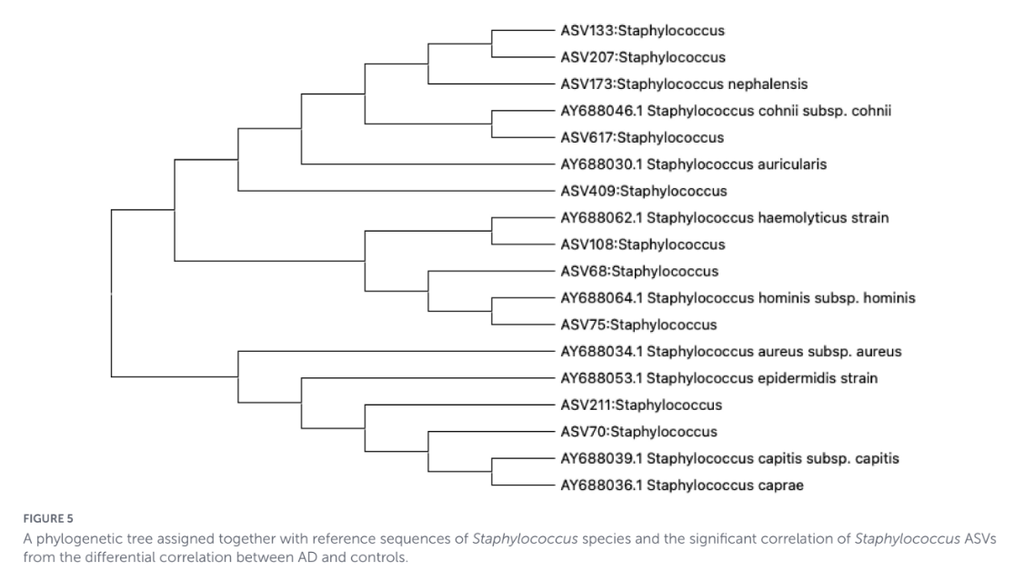
Gut microbiota profiles in pediatric atopic dermatitis and their relationship with skin microbiota: an Indonesian case-control study

Gut microbiota profiles in pediatric atopic dermatitis and their relationship with skin microbiota: an Indonesian case-control study

33

Authors

Raden Mohamad Rendy Ariezal Effendi 1,2, Hok Bing Thio1, Robert Kraaij3, Chrysanti Murad4, Reiva Farah Dwiyana2, Oki Suwarsa2 , Tamar E. C. Nijsten1 and Luba M. Pardo1

Affiliations

1Department of Dermatology, Erasmus MC, University Medical Center Rotterdam, Rotterdam, Netherlands, 2Department of Dermatology, Venereology, and Aesthetics, Faculty of Medicine Universitas Padjadjaran, Dr. Hasan Sadikin Hospital, Bandung, West Java, Indonesia, 3Department of Internal Medicine, Erasmus MC, University Medical Center Rotterdam, Rotterdam, Netherlands, 4Division of Microbiology, Department of Biomedical Sciences, Faculty of Medicine Universitas Padjadjaran, Bandung, West Java, Indonesia

Background

• Gut bacteria may play a role in atopic dermatitis (AD), but most studies focus on Western populations and examine gut or skin microbiota separately.

• Evidence on skin–gut interactions in non-Western children is limited.

Methods

• Case-control study of 218 children and adolescents aged 4–18 (111 AD cases, 107 controls) at Dr. Hasan Sadikin General Hospital, Bandung.

• 16S rRNA sequencing of paired gut and skin samples, with predicted functional pathway analysis.

Key Results

• Gut diversity did not differ between AD cases and controls; gut composition was linked to birth method, maternal education, and age.

• Several bacteria differed in AD (including Dialister invisus and Parabacteroides), along with 24 predicted functional pathways.

• Skin–gut correlations were modest to weak, with some skin–gut pairs differing between AD and controls.

Discussion & Conclusion

• Gut microbiota differences by AD status were modest.

• Findings suggest selective cross-site associations between skin and gut bacteria.

Related SDGs

SDG 3: Good Health and Well-Being – Improving understanding of childhood skin disease

SDG 10: Reduced Inequalities – Including non-Western populations in microbiome research

Journal Information

Journal: Frontiers in Microbiology

DOI: https://doi.org/10.3389/fmicb.2026.1864438

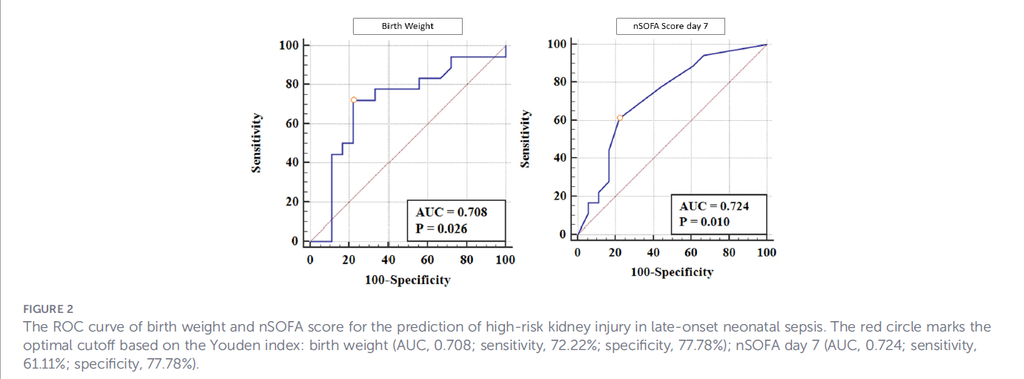
Renal resistive index and neonatal sequential organ failure assessment score as acute kidney injury risk predictors in preterm neonates with late-onset neonatal sepsis

Renal resistive index and neonatal sequential organ failure assessment score as acute kidney injury risk predictors in preterm neonates with late-onset neonatal sepsis

22

Authors

Abed Ricky H. Sitompul1*, Tetty Yuniati2, Fiva Aprilia Kadi2, Aris Primadi2, Dwi Prasetyo2, Ahmedz Widiasta2, Ekawati L. Haksari3, Harry G. Nugraha4 and Antony A. Adibrata5

Affiliations

1Neonatology Sub-Specialist Program, Department of Child Health, Faculty of Medicine, Padjadjaran University, Bandung, Indonesia, 2Department of Child Health, Faculty of Medicine, Padjadjaran University/Dr. Hasan Sadikin General Hospital, Bandung, Indonesia, 3Department of Child Health, Faculty of Medicine, Gadjah Mada University, Sardjito General Hospital, Yogyakarta, Indonesia, 4Department of Radiology, Faculty of Medicine, Padjadjaran University/Dr. Hasan Sadikin General Hospital, Bandung, Indonesia, 5Faculty of Medicine, Padjadjaran University, Bandung, Indonesia

Background

• Acute kidney injury (AKI) predicts mortality in neonates, but serum creatinine rises only after kidney function is already lost.

• Late-onset neonatal sepsis (LONS) is a common trigger of AKI.

Methods

• Single-center prospective study in the NICU (July–August 2025) with 36 preterm neonates with probable LONS.

• Compared the renal resistive index (RRI) and nSOFA scores for predicting AKI risk, using the STARZ score for risk stratification.

Key Results

• Median RRI and STARZ scores rose during the course of LONS.

• Birth weight below 1,357 g and congenital heart disease were significant risk factors.

• An nSOFA score above 3 on day 7 was a strong independent predictor of high-risk AKI (OR 10.01).

Discussion & Conclusion

• Serial nSOFA monitoring may offer a practical way to identify AKI risk early in preterm neonates with LONS.

• These findings come from a small single-center study.

Related SDGs

SDG 3: Good Health and Well-Being – Protecting the health of premature newborns

Journal Information

Journal: Frontiers in Nephrology

DOI: https://doi.org/10.3389/fneph.2026.1734812

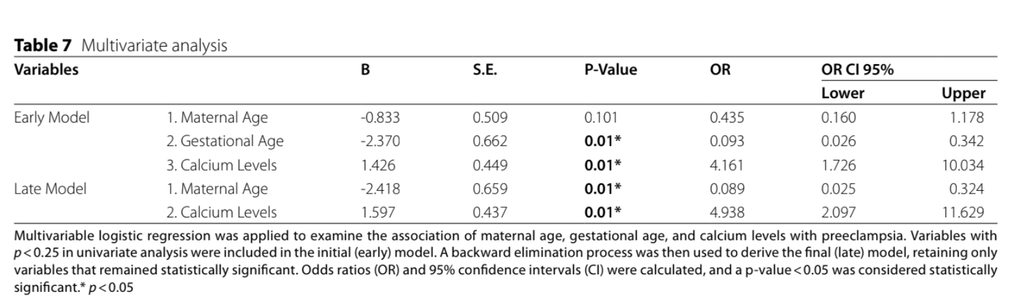
Calcium and zinc statusand risk of preeclampsia in pregnant womenwith varying seafood intake in Ambon City: a case-control study

Calcium and zinc statusand risk of preeclampsia in pregnant womenwith varying seafood intake in Ambon City: a case-control study

32

Author
Merlin Margreth Maelissa 1,2, Anita Deborah Anwar2 , Johanes Cornelius Mose2 , Sofie Rifayani Krisnadi2, Marliyati Sanaky1 , Arlen Resnawaldi1 , Udin Sabarudin2 , Akhmad Yogi Pramatirta2 and Adhi Pribadi2

Affiliations

1Department of Obstetrics and Gynecology, Faculty of Medicine, Pattimura University, Ambon 97233, Indonesia 2 Maternal Fetal Medicine Division, Department of Obstetrics and Gynecology, Faculty of Medicine, Universitas Padjadjaran; Dr. Hasan Sadikin General Hospital, Bandung 40161, Indonesia

Background

• Preeclampsia is a major cause of maternal morbidity and mortality, often influenced by maternal nutrition.

• Calcium and zinc are essential micronutrients thought to help prevent preeclampsia.

Methods

• A case-control study assessed calcium and zinc levels in 120 pregnant women in Ambon City (60 with preeclampsia, 60 without) between June and October 2024.

• Seafood consumption habits were also recorded for all participants.

Key Results

• Women with preeclampsia had lower calcium levels than those without, especially those eating fewer than four pieces of sea fish per day.

• Preeclamptic women were over 10 times more likely to have low calcium levels.

• Zinc levels showed no significant difference between groups.

Discussion & Conclusion

• Higher fish consumption is linked to higher calcium levels in pregnant women, which may help lower preeclampsia risk, while zinc intake appears unaffected by fish consumption.

• These local findings from Ambon City contribute to the broader understanding of maternal nutrition and preeclampsia prevention.

Related SDGs

SDG 3: Good Health and Well-Being – supports better maternal health outcomes by reducing pregnancy complications.

SDG 2: Zero Hunger – supports better maternal nutrition strategies during pregnancy.

Journal Information

Journal: BMC Research Notes

DOI: https://doi.org/10.1186/s13104-026-07662-4

Combined COX-2 and HER-2 Biomarker Profiling to Predict NeoadjuvantChemoradiotherapy Response in Locally Advanced Rectal Cancer

Combined COX-2 and HER-2 Biomarker Profiling to Predict NeoadjuvantChemoradiotherapy Response in Locally Advanced Rectal Cancer

31

Authors
Terri Sandi Susyanto1, Kiki Lukman1 , Andriana Purnama2, Marhendra Satria Utama3, Etis Primastari4

Affiliations
1Department of Surgery, Division of Digestive Surgery, Faculty of Medicine, Universitas Padjadjaran, Jl. Prof Eyckman No 38, Bandung, Indonesia 2Department of Surgery, Division of Digestive Surgery, Dr. Hasan Sadikin General Hospital, Jl. Pasteur No. 38, Bandung, Indonesia 3Department of Radiation Oncology, Faculty of Medicine, Universitas Padjadjaran, Jl. Prof Eyckman No 38, Bandung, Indonesia 4 Department of Anatomical Pathology, Dr. Hasan Sadikin General Hospital, Jl. Pasteur No. 38, Bandung, Indonesia

Background

• Locally advanced rectal cancer (LARC) is commonly treated with neoadjuvant chemoradiotherapy (nCRT), but treatment response varies widely.

• COX-2 and HER-2 are biomarkers linked to radioresistance, and combining them may help predict treatment response.

Methods

• A retrospective cohort study of 59 patients with stage II-III rectal adenocarcinoma treated with standardized nCRT.

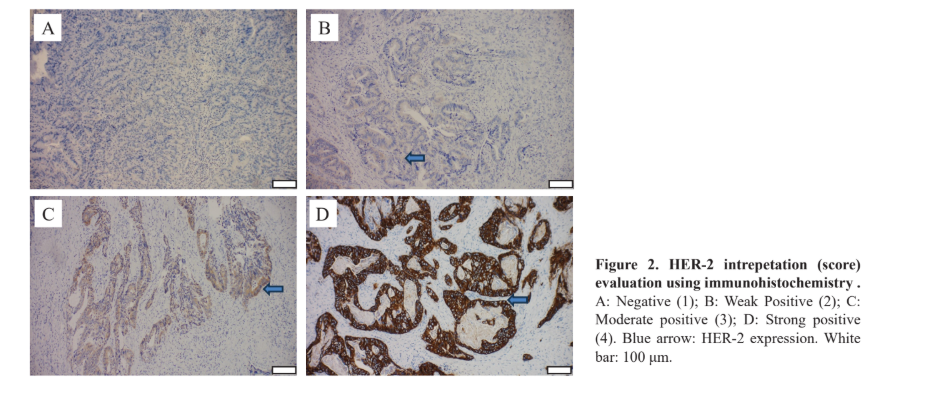
• COX-2 and HER-2 expression in pretreatment biopsies were assessed via immunohistochemistry, and radiologic response was evaluated 4-8 weeks after treatment using RECIST 1.1 criteria.

Key Results

• High COX-2 expression was found in the majority of cases.

• Low COX-2 expression and HER-2 negativity were mostly associated with good radiotherapy response.

Discussion & Conclusion

• COX-2 and HER-2 may serve as independent molecular predictors of radiotherapy response in LARC.

• Combined biomarker profiling could support risk stratification to guide treatment intensification or de-escalation strategies.

Related SDGs

SDG 3: Good Health and Well-Being – contributes to more precise, personalized cancer treatment strategies.

Journal Information

Journal: Indonesian Biomedical Journal

DOI: https://doi.org/10.18585/inabj.v18i1.3959

Pin It on Pinterest