

Author
Merlin Margreth Maelissa 1,2, Anita Deborah Anwar2 , Johanes Cornelius Mose2 , Sofie Rifayani Krisnadi2, Marliyati Sanaky1 , Arlen Resnawaldi1 , Udin Sabarudin2 , Akhmad Yogi Pramatirta2 and Adhi Pribadi2
Affiliations
1Department of Obstetrics and Gynecology, Faculty of Medicine, Pattimura University, Ambon 97233, Indonesia 2 Maternal Fetal Medicine Division, Department of Obstetrics and Gynecology, Faculty of Medicine, Universitas Padjadjaran; Dr. Hasan Sadikin General Hospital, Bandung 40161, Indonesia
Background
• Preeclampsia is a major cause of maternal morbidity and mortality, often influenced by maternal nutrition.
• Calcium and zinc are essential micronutrients thought to help prevent preeclampsia.
Methods
• A case-control study assessed calcium and zinc levels in 120 pregnant women in Ambon City (60 with preeclampsia, 60 without) between June and October 2024.
• Seafood consumption habits were also recorded for all participants.
Key Results
• Women with preeclampsia had lower calcium levels than those without, especially those eating fewer than four pieces of sea fish per day.
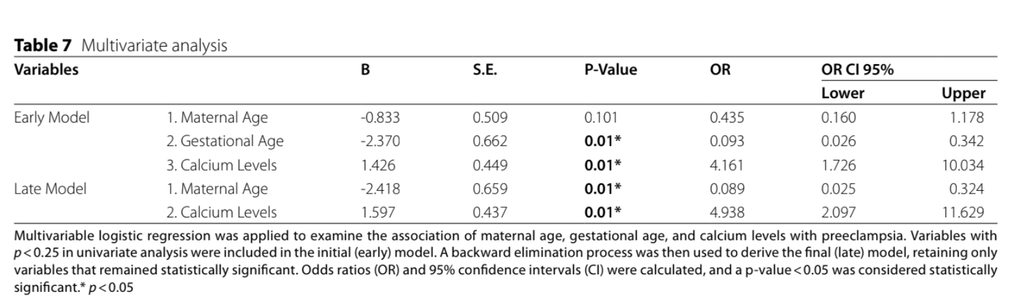
• Preeclamptic women were over 10 times more likely to have low calcium levels.
• Zinc levels showed no significant difference between groups.
Discussion & Conclusion
• Higher fish consumption is linked to higher calcium levels in pregnant women, which may help lower preeclampsia risk, while zinc intake appears unaffected by fish consumption.
• These local findings from Ambon City contribute to the broader understanding of maternal nutrition and preeclampsia prevention.
Related SDGs
SDG 3: Good Health and Well-Being – supports better maternal health outcomes by reducing pregnancy complications.
SDG 2: Zero Hunger – supports better maternal nutrition strategies during pregnancy.
Journal Information
Journal: BMC Research Notes


0 Comments