

Authors
Terri Sandi Susyanto1, Kiki Lukman1 , Andriana Purnama2, Marhendra Satria Utama3, Etis Primastari4
Affiliations
1Department of Surgery, Division of Digestive Surgery, Faculty of Medicine, Universitas Padjadjaran, Jl. Prof Eyckman No 38, Bandung, Indonesia 2Department of Surgery, Division of Digestive Surgery, Dr. Hasan Sadikin General Hospital, Jl. Pasteur No. 38, Bandung, Indonesia 3Department of Radiation Oncology, Faculty of Medicine, Universitas Padjadjaran, Jl. Prof Eyckman No 38, Bandung, Indonesia 4 Department of Anatomical Pathology, Dr. Hasan Sadikin General Hospital, Jl. Pasteur No. 38, Bandung, Indonesia
Background
• Locally advanced rectal cancer (LARC) is commonly treated with neoadjuvant chemoradiotherapy (nCRT), but treatment response varies widely.
• COX-2 and HER-2 are biomarkers linked to radioresistance, and combining them may help predict treatment response.
Methods
• A retrospective cohort study of 59 patients with stage II-III rectal adenocarcinoma treated with standardized nCRT.
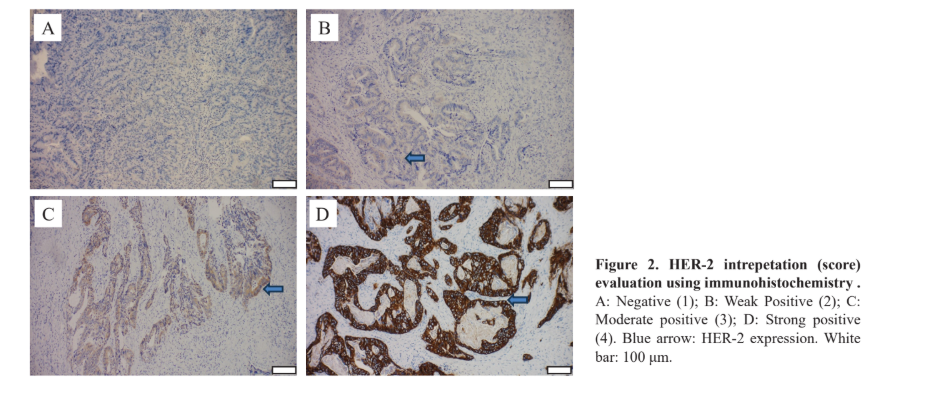
• COX-2 and HER-2 expression in pretreatment biopsies were assessed via immunohistochemistry, and radiologic response was evaluated 4-8 weeks after treatment using RECIST 1.1 criteria.
Key Results
• High COX-2 expression was found in the majority of cases.
• Low COX-2 expression and HER-2 negativity were mostly associated with good radiotherapy response.
Discussion & Conclusion
• COX-2 and HER-2 may serve as independent molecular predictors of radiotherapy response in LARC.
• Combined biomarker profiling could support risk stratification to guide treatment intensification or de-escalation strategies.
Related SDGs
SDG 3: Good Health and Well-Being – contributes to more precise, personalized cancer treatment strategies.
Journal Information
Journal: Indonesian Biomedical Journal





0 Comments