
$

PAUS ID

Padjadjaran Authentication System.

$

Portal Mahasiswa

Merupakan portal informasi bagi mahasiwa UNPAD

$

Portal Staff

Merupakan portal informasi bagi staf UNPAD.

$

Email UNPAD

Layanan email berbasis Google App for Education (GAFE) bagi seluruh sivitas akademika Unpad.

UNPAD

Catching a zebra in a surgical ward: atypicalcase of chylothorax caused by filariasis in alupus patient—a case report from a surgical perspective

Catching a zebra in a surgical ward: atypicalcase of chylothorax caused by filariasis in alupus patient—a case report from a surgical perspective

30

Authors
Euis Maryani1 , Arrayyan Muhammad2, Ahmad Naufal Alfarisy2 , Rama Nusjirwan1, Navy Laksmono1 , Mounti Martias1 and Prapanca Nugraha3

Affiliations

1Division of Cardiovascular and Thoracic Surgery, Department of Surgery, Faculty of Medicine, Universitas Padjadjaran/Dr Hasan Sadikin General Hospital, 40161 Bandung, Indonesia 2 Faculty of Medicine, Universitas Padjadjaran, Bandung 40161, Indonesia 3 Division of Digestive Surgery, Department of Surgery, Faculty of Medicine, Universitas Padjadjaran/Dr Hasan Sadikin General Hospital, Bandung 40161, Indonesia


Background

• Filariasis is a tropical parasitic disease that can rarely cause chylothorax (accumulation of chylous fluid in the pleural space) due to thoracic duct damage.

• Filariasis and systemic lupus erythematosus (SLE) are both rare potential causes of this condition.

Methods

• A 21-year-old woman with SLE presented with shortness of breath.

• Examination and chest X-ray revealed bilateral pleural effusion; filariasis was confirmed via PCR and microscopic examination.

Key Results

• Chylous pleural fluid was surgically evacuated via thoracotomy from both sides of the chest.

• The patient was also treated with bronchodilators, mucolytics, corticosteroids, and anthelminthic medication.

Discussion & Conclusion

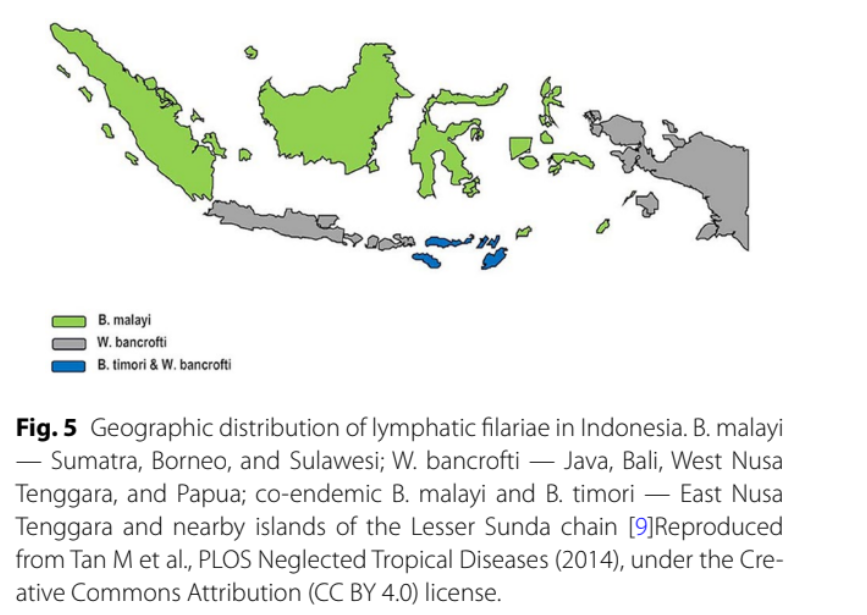
• This rare case of bilateral chylothorax caused by Brugia malayi in an SLE patient highlights the importance of considering filariasis in unexplained pleural effusions, especially in endemic regions.

• Early diagnosis and conservative antiparasitic therapy can achieve excellent outcomes without further surgery.

Related SDGs

SDG 3: Good Health and Well-Being – advances awareness and clinical management of neglected tropical diseases (filariasis) in complex, immunocompromised patients.

Journal Information

Journal: Journal of Cardiothoracic Surgery

DOI: https://doi.org/10.1186/s13019-025-03778-z

A rare case of unusual anti-tuberculosisdrug reaction in disseminated tuberculosiswith pre-existing Multisystem Inflammatory Syndrome in Children (MIS-C)

A rare case of unusual anti-tuberculosisdrug reaction in disseminated tuberculosiswith pre-existing Multisystem Inflammatory Syndrome in Children (MIS-C)

29

Authors
Riyadi Adrizain1, Dyah Ayu Shinta Lesmanawati2, Fadila Dyah Trie Utami1 , Anggraini Alam1 and Djatnika Setiabudi1

Affiliations
1Department of Child Health, Faculty of Medicine, Universitas Padjadjaran/Hasan Sadikin General Hospital, Bandung, West Java, Indonesia 2 Pediatric Resident, Department of Child Health, Faculty of Medicine, Universitas Padjadjaran/Hasan Sadikin General Hospital, Bandung, West Java, Indonesia

Background

• MIS-C is a rare but serious complication of COVID-19 that weakens children’s immune systems, increasing susceptibility to secondary infections such as tuberculosis (TB).

• This case highlights a 15-year-old girl with MIS-C complicated by severe TB and other conditions.

Methods

• The patient presented with respiratory failure, increased intracranial pressure with status epilepticus, TB meningitis, severe dengue, disseminated TB, anti-TB drug-induced hepatotoxicity, and cutaneous drug eruption following a prior COVID-19 infection.

• A multidisciplinary team (respirology, cardiology, pediatric neurology, immunology, gastro-hepatology) managed her care.

Key Results

• She received high-dose steroids, an anti-tuberculosis regimen, phenobarbital for seizure control, N-acetylcysteine, and enoxaparin.

• She was discharged after three weeks of intensive care but required recurring monthly readmissions due to complications.

Discussion & Conclusion

• This case underscores the importance of early detection and comprehensive, multidisciplinary management of MIS-C.

• Such management can reduce mortality risk and long-term complications from secondary infections like TB.

Related SDGs

SDG 3: Good Health and Well-Being – strengthens clinical understanding of managing complex pediatric infectious complications, supporting better child health outcomes.

Journal Information

Journal: BMC Infectious Diseases

DOI: https://doi.org/10.1186/s12879-026-12514-4

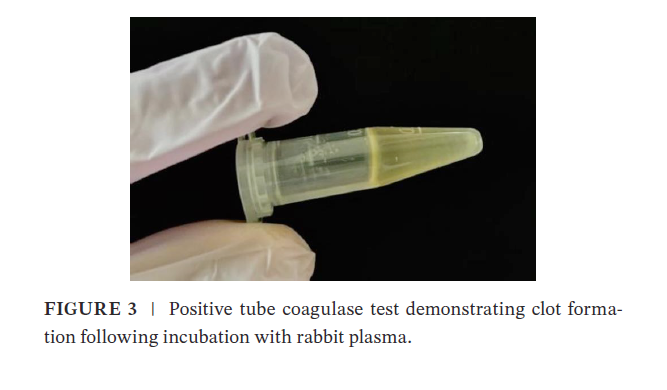
Identification of Nonclassical Enterotoxin Genes in StoredStaphylococcus aureus Isolates From Milk of Subclinical Mastitis Cows in Sumedang Regency

Identification of Nonclassical Enterotoxin Genes in StoredStaphylococcus aureus Isolates From Milk of Subclinical Mastitis Cows in Sumedang Regency

27

Authors
Regina Widiandani1 | Wendry Setiyadi Putranto2 | Fatkhanuddin Aziz3 | Sarasati Windria1,4

Affiliations

1Study Program of Veterinary Medicine, Padjadjaran University, Sumedang, Indonesia | 2Department of Animal Products Technology, Faculty of Animal Husbandry, Padjadjaran University, Sumedang, Indonesia | 3Department of Bioresources Technology and Veterinary, Vocational College, Universitas Gadjah Mada, Yogyakarta, Indonesia | 4Department of Biomedical Sciences, Division of Microbiology, Veterinary Medicine Study Program, Faculty of Medicine, Padjadjaran University, Sumedang, Indonesia

Background

• Staphylococcal enterotoxins from S. aureus cause food poisoning in humans.

• Nonclassical enterotoxins are gaining attention for their potential role in food safety.

Methods

• 22 stored S. aureus isolates from milk of cows with subclinical mastitis at a farm in Sumedang, Indonesia.

• Eight nonclassical enterotoxin genes were screened by multiplex PCR.

Key Results

• The sek gene was detected in 90.9% (20/22) of isolates.

• The sep gene was found in 4.5% (1/22).

• No amplification was observed for the remaining genes.

Discussion & Conclusion

• Enterotoxin-associated genes in mastitis milk isolates may matter at the animal–food interface.

• The findings provide baseline data for molecular surveillance; PCR shows gene presence, not expression or virulence.

Related SDGs

SDG 2: Zero Hunger – Supporting safer dairy production

SDG 3: Good Health and Well-Being – Protecting consumers from foodborne illness

Journal Information

Journal: Scientific World Journal

DOI: https://doi.org/10.1155/tswj/3410756

Shapiro Decision Rule, Systemic InflammatoryResponse Index, and Systemic Immune-Inflammation Index as Rapid Predictors of Bacteremia in Emergency Department Patients

Shapiro Decision Rule, Systemic InflammatoryResponse Index, and Systemic Immune-Inflammation Index as Rapid Predictors of Bacteremia in Emergency Department Patients

26

Authors
Dewi Kartika Turbawaty 1,2, Levina Felicia1, Ratu Purwanti1,2

Affiliations

1Department of Clinical Pathology, Faculty of Medicine Universitas Padjadjaran, Bandung, West Java, Indonesia; 2Department of Supporting Medicine, Dr. Hasan Sadikin General Hospital, Bandung, West Java, Indonesia

Background

• Bacteremia can progress to sepsis and organ failure if not treated promptly.

• Blood culture is the gold standard but slow, often negative, and prone to false positives.

Methods

• Retrospective single-center cross-sectional study of adult ED patients at Dr. Hasan Sadikin General Hospital (May 2023–July 2025).

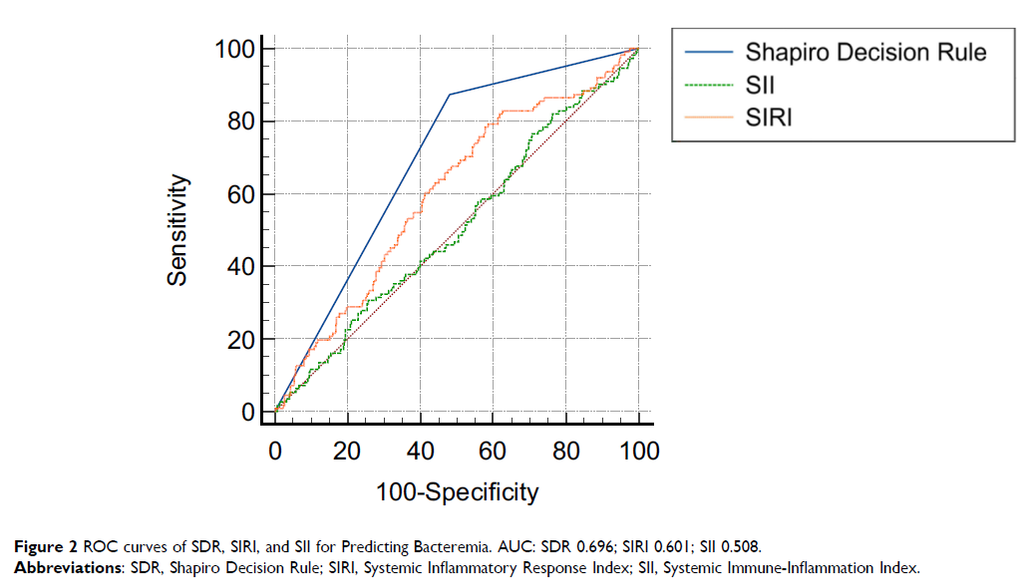
• Compared the Shapiro Decision Rule (SDR), SIRI, and SII in 481 patients (111 with confirmed bacteremia).

Key Results

• SDR had the best discrimination (sensitivity 87.4%, AUC 0.696).

• It outperformed SIRI (AUC 0.601) and SII (AUC 0.508).

• SDR remained an independent predictor of bacteremia after adjustment.

Discussion & Conclusion

• SDR is significantly better than SIRI and SII at predicting bacteremia, with moderate discrimination.

• It can serve as a practical exclusion tool to help rationalize blood-culture requests in the emergency department.

Related SDGs

SDG 3: Good Health and Well-Being – Improving rapid detection of serious infection

Journal Information

Journal: Infection and Drug Resistance

DOI: https://doi.org/10.2147/IDR.S619432

Trends in adipokine-related studies in cardiovascular disease: A bibliometric analysis from 2002 to 2024

Trends in adipokine-related studies in cardiovascular disease: A bibliometric analysis from 2002 to 2024

25Authors
Sunita Sunita, Dr.1,4,7, Mohammad Rizki Akbar, Dr.2,4, Mohammad Ghozali, Dr.3,4, Iis Inayati Rakhmat, Dr.4,5, Agung Riyadi, MPH6, Annisa Dewi Nugrahani, MSc.1, Ratih Rinendyaputri, Dr.8, Gaga Irawan Nugraha, Dr.3,4, Mas Rizky A A Syamsunarno, Dr.3,4

Affiliations
1Faculty of Medicine Universitas Padjadjaran, Bandung, West Java, Indonesia, 2Department of Cardiology and Vascular

Medicine, Hasan Sadikin General Hospital-Faculty of Medicine Universitas Padjadjaran, Bandung, West Java, Indonesia,

3Department of Biomedical Sciences, Faculty of Medicine Universitas Padjadjaran, Bandung, West Java, Indonesia,

4Cardiometabolic Working Group Study, Faculty of Medicine Universitas Padjadjaran, Bandung, West Java, Indonesia,

5Department of Biochemistry, Faculty of Medicine, Jenderal Achmad Yani University, Kota Cimahi, Jawa Barat, Indonesia,

6Department of Nursing, Poltekkes Kemenkes Bengkulu, Bengkulu, Indonesia, 7Department of Medical Laboratory Technology,

Poltekkes Kemenkes Bengkulu, Bengkulu, Indonesia, 8Center for Biomedical Research, National Research and Innovation

Agency (BRIN), Cibinong Science Centre, Cibinong, West Java, Indonesia.

Background

• Adipokines are proteins secreted by fat tissue and are linked to obesity, inflammation, and cardiovascular disease (CVD).

• Bibliometric analysis can map research trends and international collaboration.

Methods

• Bibliometric analysis of Scopus publications from 2002 to 2024.

• Data were analysed with Biblioshiny and VOSviewer.

Key Results

• 1,283 documents from 602 sources were included.

• Output rose substantially from 2002 and peaked around 2013–2014.

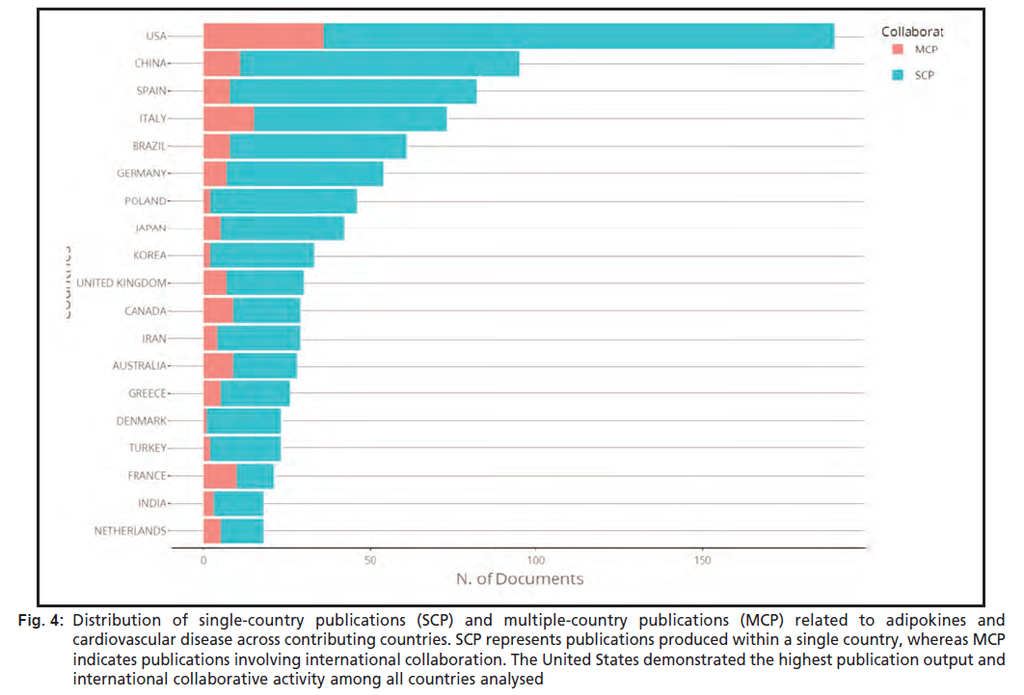
• Obesity, adiponectin, leptin, inflammation, and metabolic dysfunction were dominant themes; the United States led in output, citations, and collaboration.

Discussion & Conclusion

• Research on adipokines and CVD has expanded substantially over two decades.

• The findings may help identify future priorities on adipokines as biomarkers, preventive targets, and therapeutic approaches.

Related SDGs

SDG 3: Good Health and Well-Being – Mapping research on cardiovascular disease

SDG 17: Partnerships for the Goals – Highlighting international research collaboration

Journal Information

Journal: Medical Journal of Malaysia

DOI: Not available (no DOI listed for this article)

Pin It on Pinterest