Authors Novi Rostikasari , Leni Lismayanti , Adhi Kristianto Sugianli , Tiene Rostini Affiliations Department of Clinical Pathology, Faculty of Medicine Universitas Padjadjaran/Hasan Sadikin General Hospital, Bandung, West Java, Indonesia
Background
• Early, accurate diagnosis of acute leukemia is essential for timely treatment.
• Gray scattergram patterns from hematology analyzers may signal blasts and serve as early screening.
Methods
• Retrospective cross-sectional study of acute leukemia inpatients at Dr. Hasan Sadikin General Hospital (April 2024–March 2025).
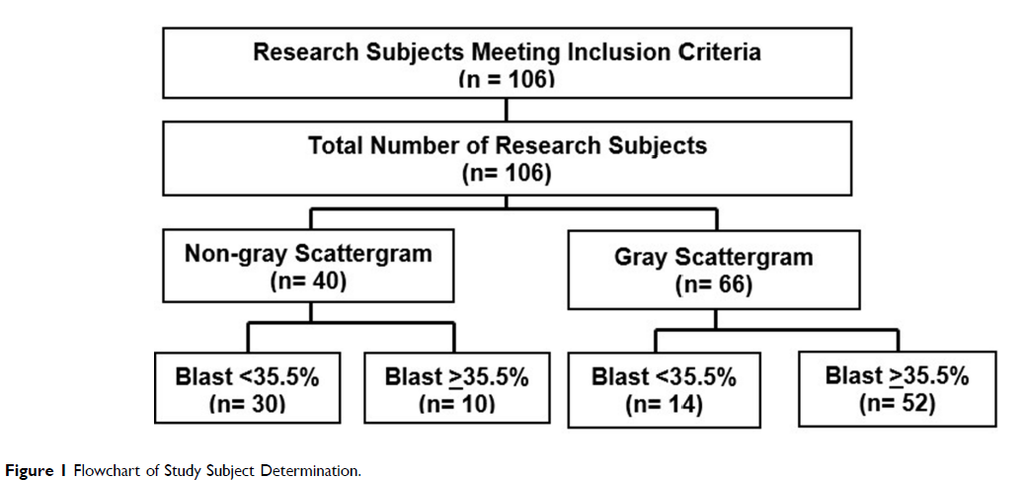
• Scattergrams were classified as gray (≥35.5% blasts) or non-gray and compared with manual microscopy using Cohen’s kappa.
Key Results
• 106 patients were included; gray scattergrams appeared in 66, of whom 52 had ≥35.5% blasts on microscopy.
• Ten patients with non-gray scattergrams also had ≥35.5% blasts.
• Agreement with microscopy was moderate (κ = 0.527).
Discussion & Conclusion
• Gray scattergrams can give early indications of blasts and serve as a supportive screening tool.
• Confirmation by blood smear or bone marrow examination remains necessary.
Related SDGs
1. SDG 3 – Good Health and Well-BeingPrimary and most directly relevant. The study focuses on improving the early detection and diagnostic assessment of acute leukemia, which can support timely clinical management and treatment.
2. SDG 9 – Industry, Innovation and Infrastructure Highly relevant. The study evaluates the use of hematology analyzer technology and gray scattergrams as an automated diagnostic-support tool for detecting blasts. It explores how laboratory technology can complement conventional microscopic examination.Journal Information
1Department of Clinical Pathology, Faculty of Medicine Universitas Padjadjaran, Sumedang, West Java, Indonesia; 2Department of Pathology, RS Unpad University Hospital, Sumedang, West Java, Indonesia; 3Department of Supporting Medicine, Dr. Hasan Sadikin General Hospital, Bandung, West Java, Indonesia; 4Research Center for Care and Control of Infectious Disease, Universitas Padjadjaran, Bandung, West Java, Indonesia; 5Medical Professional Program, Faculty of Medicine Universitas Padjadjaran, Sumedang, West Java, Indonesia; 6Department of Internal Medicine, Faculty of Medicine Universitas Padjadjaran/RS Unpad University Hospital, Sumedang, West Java, Indonesia; 7Department of Biomedical Sciences, Faculty of Medicine, Universitas Padjadjaran, Sumedang, West Java, Indonesia
Background
• Dengue remains a serious global health challenge, with rapid disease progression.
• Clinical and diagnostic management are difficult.
Methods
• Case report of a secondary dengue infection at a university hospital.
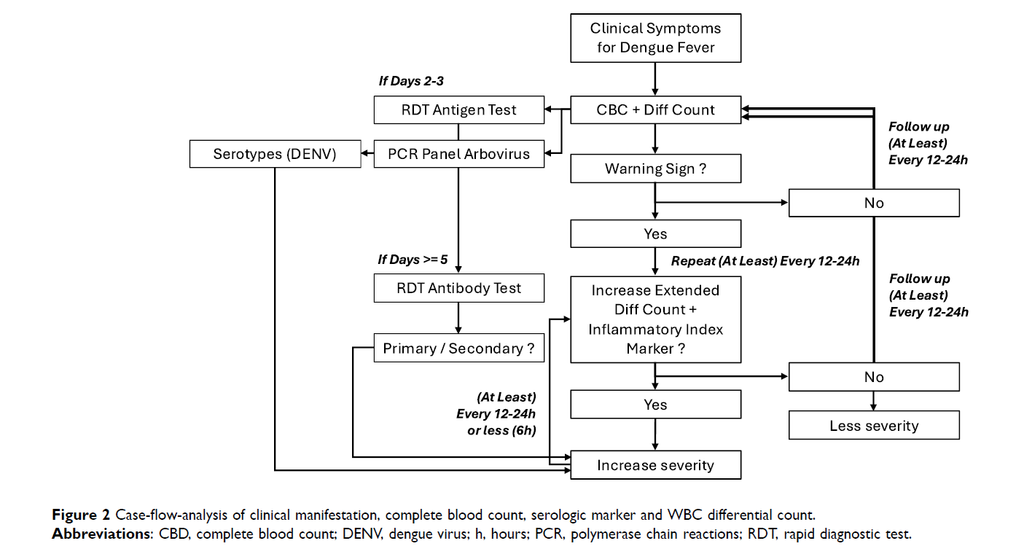
• Clinical assessment was integrated with laboratory findings, tracking dengue antigen and antibody kinetics, extended white blood cell (WBC) differential counts, and inflammatory markers.
Key Results
• Dengue antigen and antibody detection showed negative kinetics.
• Extended WBC differential counts and inflammatory index markers changed dynamically alongside clinical outcomes.
Discussion & Conclusion
• Monitoring extended WBC differentials and inflammatory indices helps detect rapid escalation of disease severity.
• These parameters are repeatable, feasible, and cost-effective, improving patient management.
Related SDGs
1. SDG 3 – Good Health and Well-Being
Most directly relevant. The article focuses on dengue infection, disease severity monitoring, early detection, diagnosis, and improving patient management. The study highlights the potential value of extended WBC differential counts and inflammatory markers for detecting rapid disease progression.
2. SDG 9 – Industry, Innovation and Infrastructure
Relevant through medical and diagnostic innovation. The article discusses the use of advanced hematology analyzers and flow cytometry-based parameters to improve the assessment of white blood cell differentiation and inflammatory responses.
Journal Information
Journal: International Medical Case Reports Journal
Authors: Andra Kurnianto 1,2, Meita Dhamayanti 1, Rodman Tarigan Girsang 1,3, Eddy Fadlyana1, Kusnandi Rusmil1, Mei Neni Sitaresmi4, Bintang Arroyantri Prananjaya2
Affiliations
1Department of Child Health, Faculty of Medicine, Universitas Padjadjaran, Bandung, Indonesia; 2Faculty of Medicine, Universitas Sriwijaya, Palembang, Indonesia; 3Department of Mother and Child Health, Growth and Development Division, Hasan Sadikin General Hospital, Bandung, Indonesia; 4Department of Child Health, Faculty of Medicine, Public Health and Nursing, Universitas Gadjah Mada, Yogyakarta, Indonesia
Background
• Adolescent mental health problems are a growing public health concern.
• Accurate screening tools are essential for early detection and intervention.
Methods
• Cross-sectional study in eight schools in Palembang, Indonesia (July–December 2025) with 274 adolescents aged 10–18.
• The DASS-Y was compared against DSM-5-based psychiatric assessment as the gold standard.
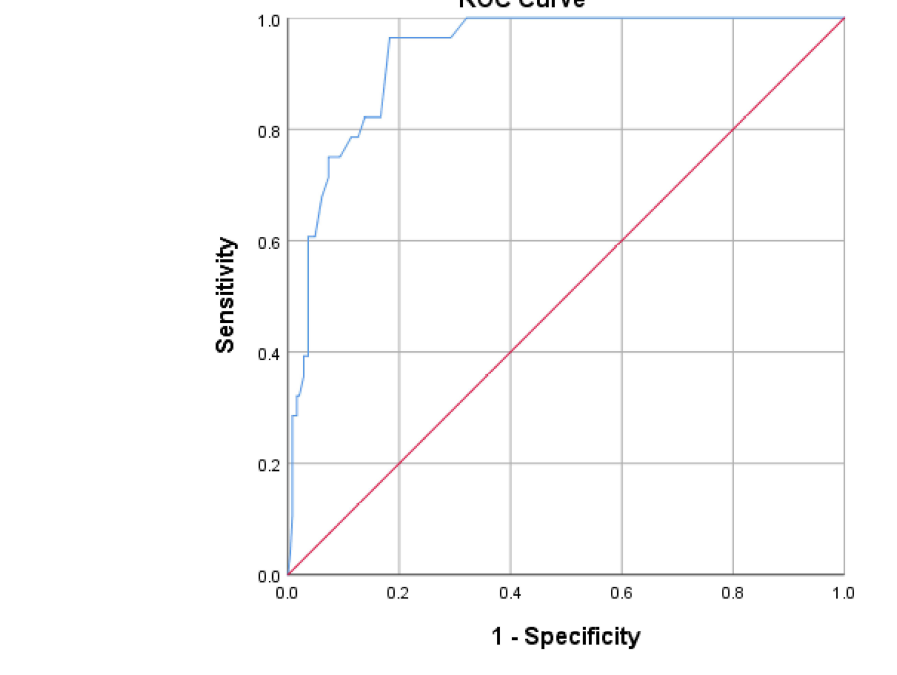
• ROC analysis identified the optimal cutoff; sensitivity, specificity, and AUC were calculated.
Key Results
• A DASS-Y total score cutoff of 24 or above gave sensitivity of 0.83 and specificity of 0.85.
• Overall diagnostic accuracy was excellent (AUC = 0.93).
Discussion & Conclusion
• The Indonesian DASS-Y accurately screens for internalizing disorders in adolescents.
• It may be a useful screening tool in Indonesia; further studies should test routine implementation.
Related SDGs
SDG 3 – Good Health and Well-Being Most directly relevant.
The study focuses on adolescent mental health, including depression, anxiety, stress, and PTSD, and supports early detection and intervention through mental health screening.
SDG 4 – Quality Education The study identifies a relationship between internalizing disorders and adolescents’ educational level and discusses how mental health problems can affect concentration, academic performance, school attendance, and dropout risk.
SDG 10 – Reduced Inequalities The study addresses access to early mental-health identification among adolescents and recommends further validation across different regions, rural–urban settings, and socioeconomic populations, which is relevant to reducing disparities in mental-health services.
SDG 16 – Peace, Justice and Strong Institutions(indirect relevance) This can be connected to the study through child protection, ethical research, and strengthening systems for adolescent mental-health support. The study explicitly followed Indonesian child-protection regulations and ethical research standards
Journal Information
Journal: Psychology Research and Behavior Management
Authors Pati Aji Achdiat a,b, Oki Suwarsa a,b, Yudi Mulyana Hidayat b,c, Reiva Farah Dwiyana a, Mohamad Nasir Shafiee d, Reti Hindritiani a, Endang Sutedja a,b, Satiti Retno Pudjiati e, Dany Hilmanto b,f, Ida Parwatib,g, Meita Dhamayanti b,f, Reyshiani Johan a, Ivan Daniel Banjarnahor a, and Retno Hesty Maharani a
Affiliations
aDepartment of Dermatology and Venereology, Faculty of Medicine, Universitas Padjadjaran, Bandung, Indonesia; bDoctoral Program in Medical Sciences, Faculty of Medicine, Universitas Padjadjaran, Bandung, Indonesia; cDepartment of Obstetrics and Gynecology, Faculty of Medicine, Universitas Padjadjaran, Bandung, Indonesia; dDepartment of Obstetrics and Gynecology, Faculty of Medicine, Universiti Kebangsaan Malaysia, Kuala Lumpur, Malaysia; eDepartment of Dermatology and Venereology, Faculty of Medicine Public Health and Nursing, Universitas Gadjah Mada, Yogyakarta, Indonesia; fDepartment of Pediatric, Faculty of Medicine, Universitas Padjadjaran, Bandung, Indonesia; gDepartment of Clinical Pathology, Faculty of Medicine, Universitas Padjadjaran, Bandung, Indonesia
Background
– Anogenital warts (AGW) caused by HPV are shaped by host immune responses.
– Tuberculin PPD (TPPD) is being explored as an immunotherapy; IFN-α and IL-2 are key immune mediators.
Methods
Exploratory quasi-experimental study of 12 AGW patients.
Intralesional TPPD (5 tuberculin units weekly, six injections).
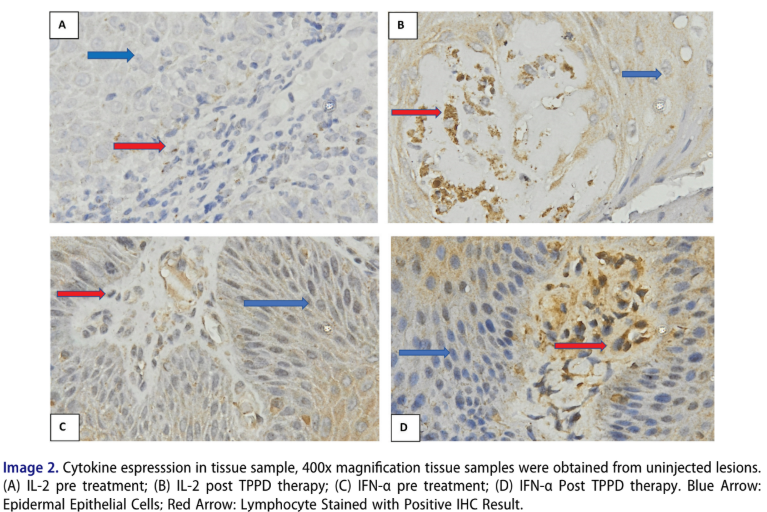
IFN-α and IL-2 were assessed in tissue by immunohistochemistry and in serum by ELISA.
Key Results
• TPPD increased tissue IFN-α and IL-2 expression and serum IL-2 levels.
• 4 of 12 patients achieved complete response; 6 needed further destructive treatment.
• Cytokine changes did not correlate with lesion regression.
Discussion & Conclusion
• Cytokine upregulation appears to reflect immune activation rather than determine wart clearance.
• Results should be interpreted cautiously given the small sample.
Related SDGs
SDG 3 – Good Health and Well-Being — the most directly relevant, as the study focuses on anogenital warts caused by HPV, treatment, and immune responses.
SDG 9 – Industry, Innovation and Infrastructure — relevant to biomedical research and the development of innovative therapeutic approaches, including immunotherapy and laboratory methods such as immunohistochemistry and ELISA.
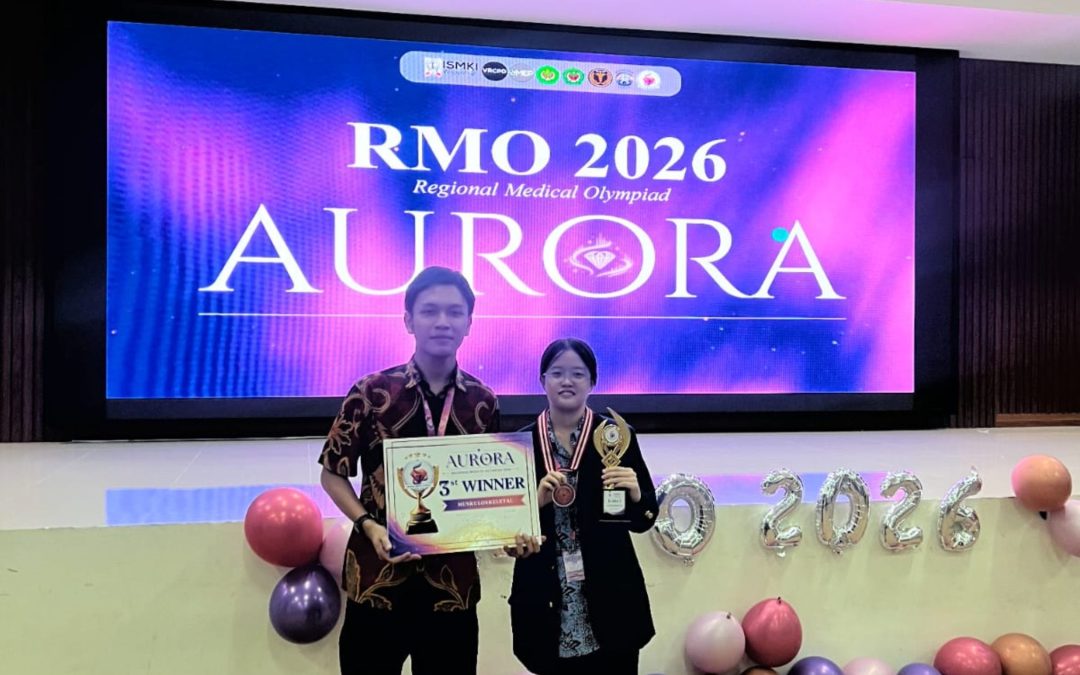
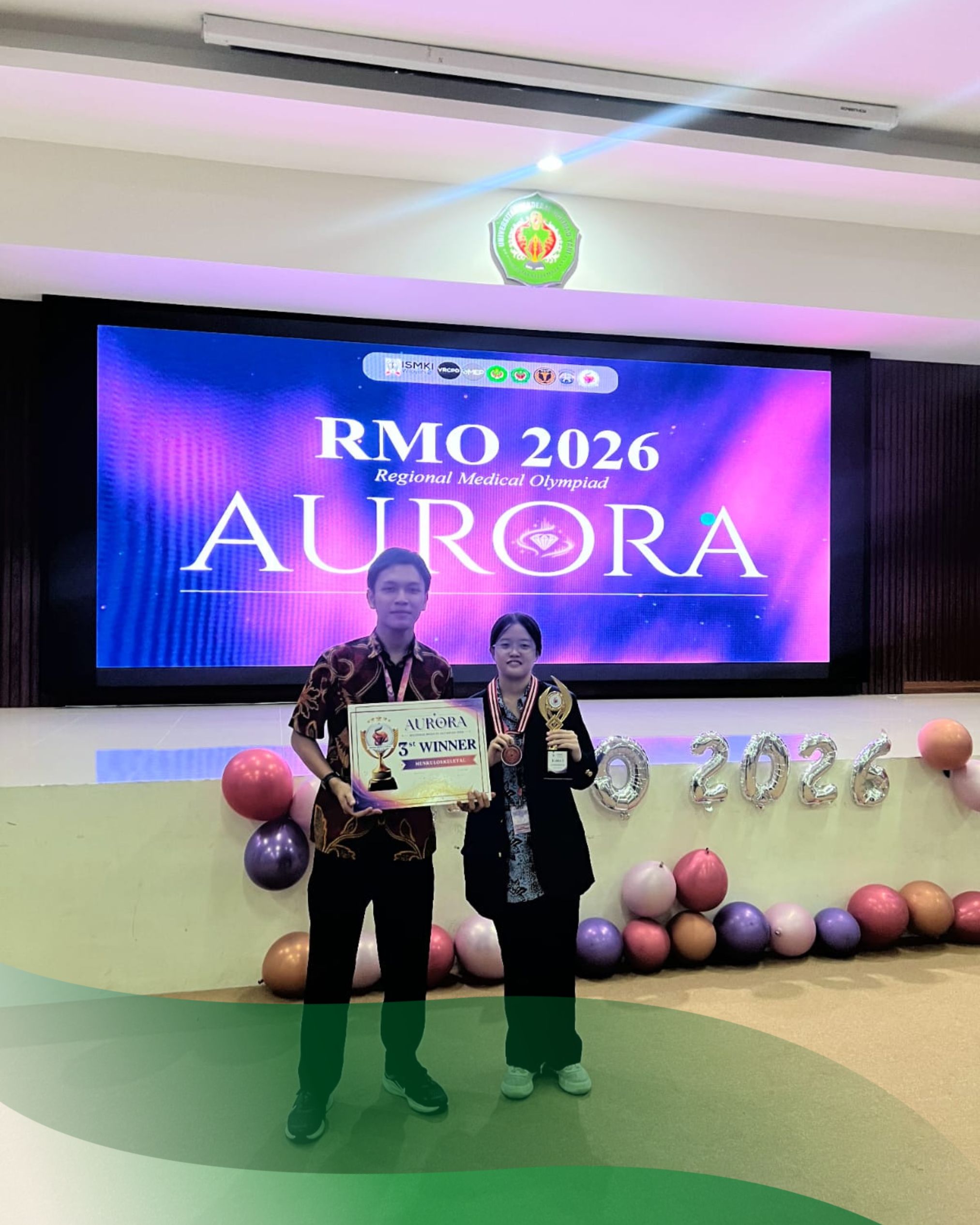
Jatinangor, Fakultas Kedokteran — Prestasi kembali ditorehkan mahasiswa Fakultas Kedokteran Universitas Padjadjaran (FK Unpad) melalui ajang Regional Medical Olympiad (RMO) Wilayah 2 Tahun 2026. Delegasi FK Unpad berhasil meraih Juara 3 pada cabang Muskuloskeletal dalam kompetisi kedokteran yang diselenggarakan oleh Ikatan Senat Mahasiswa Kedokteran Indonesia (ISMKI) Wilayah 2.
Regional Medical Olympiad (RMO) Wilayah 2 merupakan salah satu ajang kompetisi bidang kedokteran yang mempertemukan mahasiswa kedokteran dari berbagai perguruan tinggi di wilayah kerja ISMKI Wilayah 2. Kompetisi ini menjadi wadah bagi mahasiswa untuk mengembangkan sekaligus menguji kemampuan akademik dan pengetahuan kedokteran melalui berbagai bidang keilmuan.
Pada penyelenggaraan RMO tahun 2026, terdapat enam cabang olimpiade yang diperlombakan, yaitu Kardiorespirasi, Muskuloskeletal, Digestif, Urologi-Reproduksi, Neuropsikiatri, dan Infeksi Tropis.
Delegasi FK Unpad Raih Juara 3 Cabang Muskuloskeletal
Pada cabang Muskuloskeletal, FK Unpad diwakili oleh dua mahasiswa yang berkompetisi membawa nama Universitas Padjadjaran, yaitu:
Avelino Konstantine Trilasto – Angkatan 2024
Shirley – Angkatan 2025 Keduanya berhasil menunjukkan kemampuan dan kesiapan akademik dalam menghadapi rangkaian kompetisi hingga akhirnya memperoleh Juara 3 Regional Medical Olympiad (RMO) 2026 Cabang Muskuloskeletal.
Keikutsertaan dalam kompetisi ini tidak hanya menjadi ajang untuk mengukur penguasaan ilmu kedokteran, tetapi juga menjadi pengalaman berharga bagi mahasiswa dalam mengembangkan kemampuan berpikir kritis, ketelitian, serta kesiapan menghadapi berbagai tantangan akademik di bidang kedokteran.
Dalam persiapannya, delegasi FK Unpad mendapatkan pendampingan dari dokter pembimbing, yaitu Dr. dr. Andri Primadhi, Sp.OT (K) dan Nandina Oktavia, dr. MM. Pendampingan tersebut turut mendukung proses persiapan mahasiswa dalam menghadapi kompetisi.
Membawa Nama Universitas Padjadjaran
Keikutsertaan Avelino Konstantine Trilasto dan Shirley dalam RMO 2026 merupakan bagian dari upaya mahasiswa FK Unpad untuk berkontribusi dalam berbagai ajang akademik dan kompetisi kedokteran di tingkat regional.
Prestasi Juara 3 pada cabang Muskuloskeletal menjadi capaian yang menunjukkan semangat mahasiswa FK Unpad dalam mengembangkan kompetensi akademik sekaligus membawa nama Universitas Padjadjaran dalam kompetisi kedokteran.
Capaian ini diharapkan dapat menjadi motivasi bagi mahasiswa lainnya untuk terus mengembangkan potensi, memperluas pengalaman akademik, serta aktif berpartisipasi dalam berbagai kompetisi yang mendukung pengembangan kompetensi sebagai calon tenaga kesehatan profesional. SDGs yang relevan adalah:
SDG 4 – Pendidikan Bermutu (Quality Education)
SDG 3 – Kehidupan Sehat dan Sejahtera (Good Health and Well-being)
SDG 17 – Kemitraan untuk Mencapai Tujuan (Partnerships for the Goals)