

Authors:
Andra Kurnianto 1,2, Meita Dhamayanti 1, Rodman Tarigan Girsang 1,3, Eddy Fadlyana1, Kusnandi Rusmil1, Mei Neni Sitaresmi4, Bintang Arroyantri Prananjaya2
Affiliations
1Department of Child Health, Faculty of Medicine, Universitas Padjadjaran, Bandung, Indonesia; 2Faculty of Medicine, Universitas Sriwijaya, Palembang, Indonesia; 3Department of Mother and Child Health, Growth and Development Division, Hasan Sadikin General Hospital, Bandung, Indonesia; 4Department of Child Health, Faculty of Medicine, Public Health and Nursing, Universitas Gadjah Mada, Yogyakarta, Indonesia
Background
• Adolescent mental health problems are a growing public health concern.
• Accurate screening tools are essential for early detection and intervention.
Methods
• Cross-sectional study in eight schools in Palembang, Indonesia (July–December 2025) with 274 adolescents aged 10–18.
• The DASS-Y was compared against DSM-5-based psychiatric assessment as the gold standard.
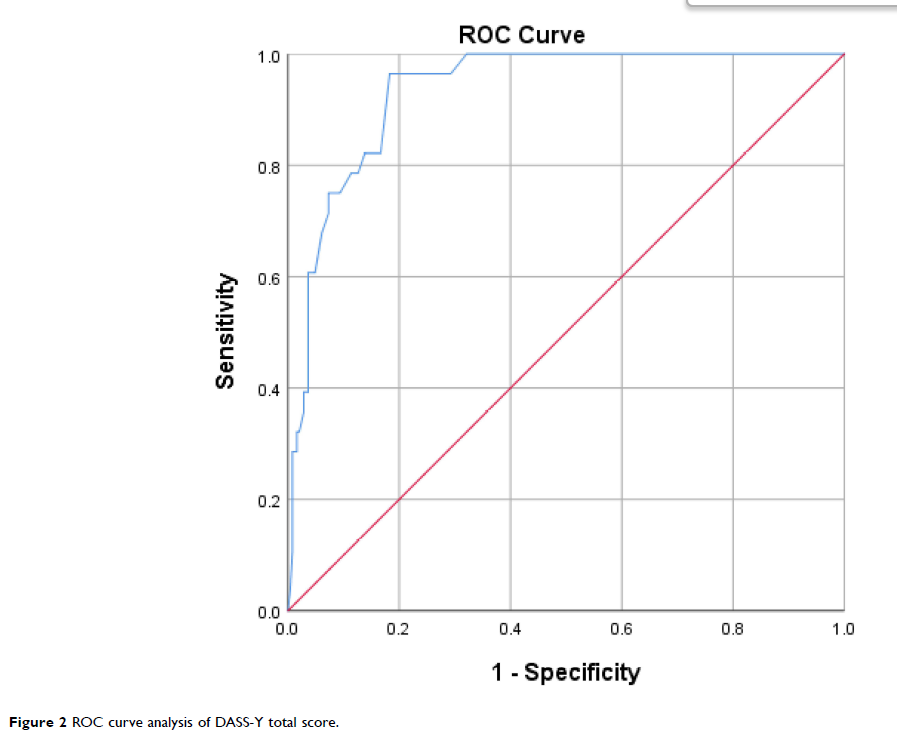
• ROC analysis identified the optimal cutoff; sensitivity, specificity, and AUC were calculated.
Key Results
• A DASS-Y total score cutoff of 24 or above gave sensitivity of 0.83 and specificity of 0.85.
• Overall diagnostic accuracy was excellent (AUC = 0.93).
Discussion & Conclusion
• The Indonesian DASS-Y accurately screens for internalizing disorders in adolescents.
• It may be a useful screening tool in Indonesia; further studies should test routine implementation.
Related SDGs
SDG 3 – Good Health and Well-Being Most directly relevant.
The study focuses on adolescent mental health, including depression, anxiety, stress, and PTSD, and supports early detection and intervention through mental health screening.
SDG 4 – Quality Education
The study identifies a relationship between internalizing disorders and adolescents’ educational level and discusses how mental health problems can affect concentration, academic performance, school attendance, and dropout risk.
SDG 10 – Reduced Inequalities
The study addresses access to early mental-health identification among adolescents and recommends further validation across different regions, rural–urban settings, and socioeconomic populations, which is relevant to reducing disparities in mental-health services.
SDG 16 – Peace, Justice and Strong Institutions(indirect relevance)
This can be connected to the study through child protection, ethical research, and strengthening systems for adolescent mental-health support. The study explicitly followed Indonesian child-protection regulations and ethical research standards
Journal Information
Journal: Psychology Research and Behavior Management




0 Comments