
$

PAUS ID

Padjadjaran Authentication System.

$

Portal Mahasiswa

Merupakan portal informasi bagi mahasiwa UNPAD

$

Portal Staff

Merupakan portal informasi bagi staf UNPAD.

$

Email UNPAD

Layanan email berbasis Google App for Education (GAFE) bagi seluruh sivitas akademika Unpad.

UNPAD

Effectiveness of mosquito repellents for human: A systematic review of human-based studies

Effectiveness of mosquito repellents for human: A systematic review of human-based studies

14

Authors
Lia Faridaha,*, Radja Azis Nurhakimb, Raden Roro Upiek Ngesti Wibawaning Astutic, Melanied, Enny Rohmawatia, Yenny Rachmawatie, Thaddeus Carvajalf

Affiliations
aDepartment of Biomedical Science, Faculty of Medicine, Universitas Padjadjaran, Bandung 40161, SSWJ, IndonesiabFaculty of Medicine, Universitas Padjadjaran, Sumedang 45363, SSWJ, IndonesiacFaculty of Biology, Universitas Gadjah Mada, Yogyakarta 55281, IndonesiadDepartment of Biology, Faculty of Mathematics and Natural Sciences, Universitas Padjadjaran, Sumedang 45363, IndonesiaeFaculty of Medicine, IPB University, Bogor 16680, SSWJ, IndonesiafDepartment of Biology, College of Science, De La Salle University, Manila 1004, Philippines

Background

• Mosquito repellents are key personal protection against mosquito-borne diseases.

• Their effectiveness varies by active ingredient, formulation, and mosquito species.

Methods

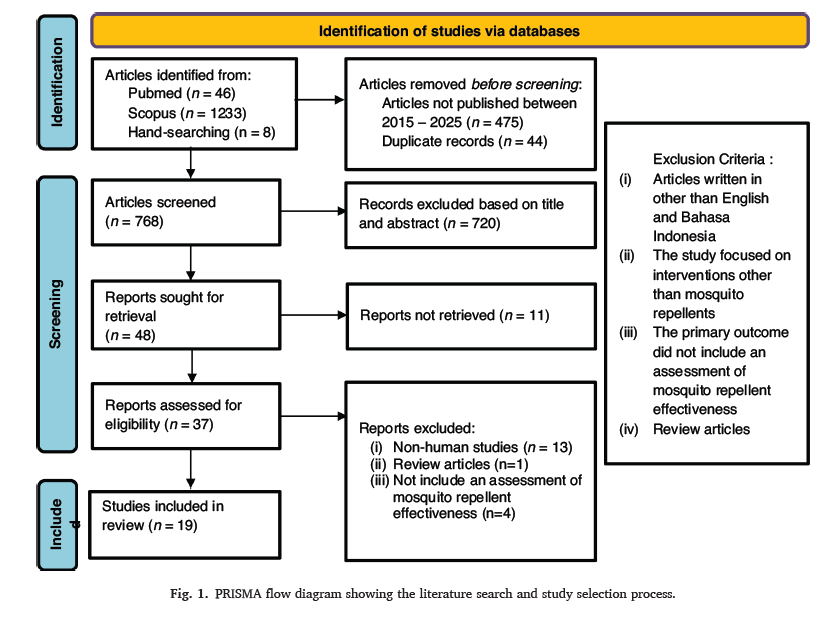
• Systematic review (PRISMA 2020) of human studies published 2015–2025.

• Scopus and PubMed searches found 1,287 records; 19 studies met the criteria.

• Protection time, repellency rate, and safety were synthesized descriptively.

Key Results

• DEET-based lotions and ointments gave the longest protection, often five to nine hours, with no reported skin reactions.

• Natural repellents (citronella, lemon eucalyptus, neem, lemongrass) usually protected for two to four hours.

• Microencapsulation and nanoemulsions improved some formulations; treated clothing and spatial repellents helped as complements.

Discussion & Conclusion

• Synthetic topical repellents remain the most reliable option for prolonged protection.

• Optimized plant-based products may be safer alternatives for short-term or adjunctive use.

Related SDGs

SDG 3 – Good Health and Well-Being

The study directly addresses chronic hepatitis B, liver fibrosis, disease monitoring, and the development of a predictive model to support clinical management.

SDG 9 – Industry, Innovation and Infrastructure

The research develops a non-invasive predictive model using IL-13, age, and platelet count to assess liver stiffness, with potential value where transient elastography is unavailable

Journal Information

Journal: Acta Tropica

DOI: https://doi.org/10.1016/j.actatropica.2026.108182

Unveiling the role of interleukin-13 in liver fibrosis of chronic hepatitis B patients:Development of a predictive model

Unveiling the role of interleukin-13 in liver fibrosis of chronic hepatitis B patients:Development of a predictive model

13Authors
Muhammad Begawan Bestari , Muhammad Palar Wijaya, Dolvy Girawan, Nenny Agustanti, Eka Surya Nugraha

Affiliations
Division of Gastroenterohepatology, Department of Internal Medicine, Faculty of Medicine Universitas Padjadjaran, Hasan Sadikin General Hospital, Bandung, Indonesia

Background

• Assessing liver fibrosis guides the management of chronic hepatitis B (CHB).

• A non-invasive way to estimate liver stiffness is needed where transient elastography is unavailable.

Methods

• 88 CHB patients from Hasan Sadikin General Hospital’s registry (October 2021–January 2022).

• Same-day blood count, interleukin-13 (IL-13) measurement, and transient elastography.

• Multiple linear regression was used to build a liver stiffness prediction model.

Key Results

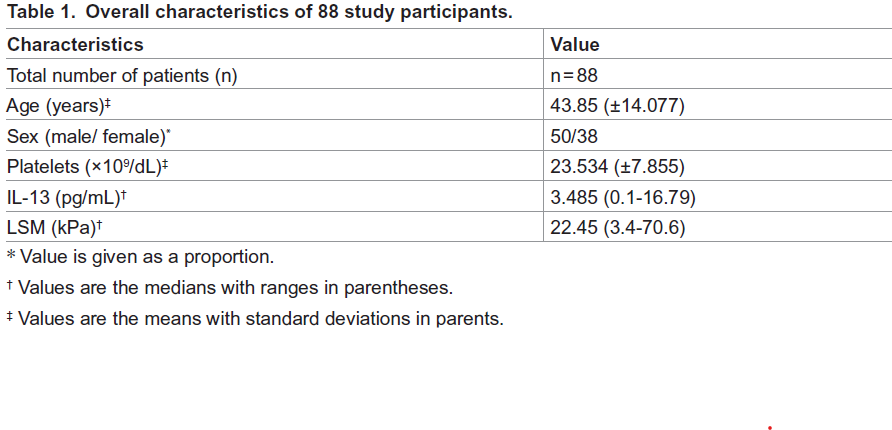
• The model, using age, platelet count, and IL-13 status, explained 37% of the variation in liver stiffness (R² = 0.37).

• Elevated IL-13, lower platelet count, and older age were linked to higher liver stiffness.

Discussion & Conclusion

• IL-13 adds useful information to age and platelet count when estimating liver stiffness in CHB.

• The model could support non-invasive assessment where elastography is not available.

Related SDGs

SDG 3 – Good Health and Well-Being
The study focuses on chronic hepatitis B, liver fibrosis, disease monitoring, and the development of a predictive model to support clinical management. It investigates IL-13, platelet count, and age as predictors of liver stiffness and aims to contribute to improved management of chronic hepatitis B.

SDG 9 – Industry, Innovation and Infrastructure
The research develops a non-invasive predictive model using clinical and laboratory parameters to assess liver fibrosis, potentially supporting health services where transient elastography is unavailable.

Journal Information

Journal: PLoS ONE

DOI: https://doi.org/10.1371/journal.pone.0344791

Literature Review: Recent Therapeutic Advancesin The Management of Prurigo Nodularis: From Conventional Therapy to Biologics and Targeted Small-Molecule Agents

Literature Review: Recent Therapeutic Advancesin The Management of Prurigo Nodularis: From Conventional Therapy to Biologics and Targeted Small-Molecule Agents

12

Authors
Erda Avriyanti 1, Ranisa Larasati 1, Sithra Rengasamy2, Risa Miliawati Nurul Hidayah 1, Laila Tsaqilah 1, Miranti Pangastuti 1, Retno Hesty Maharani 1

Affiliations
1Department of Dermatology, Venereology, and Aesthetics, Faculty of Medicine Universitas Padjadjaran – Dr. Hasan Sadikin Hospital, Bandung, West Java, Indonesia; 2Department of Paediatrics, Faculty of Medicine and Health Sciences, Universiti Putra Malaysia, Serdang, Selangor, Malaysia


Background

• Prurigo nodularis (PN) is a chronic inflammatory skin disease with intensely itchy nodules and a vicious itch-scratch cycle.

• Standard treatments often give incomplete responses and require prolonged use.

Methods

• Literature review of PN epidemiology, diagnosis, pathogenesis, and treatment.

• Covered therapies from conventional treatment to biologics and targeted small-molecule agents.

Key Results

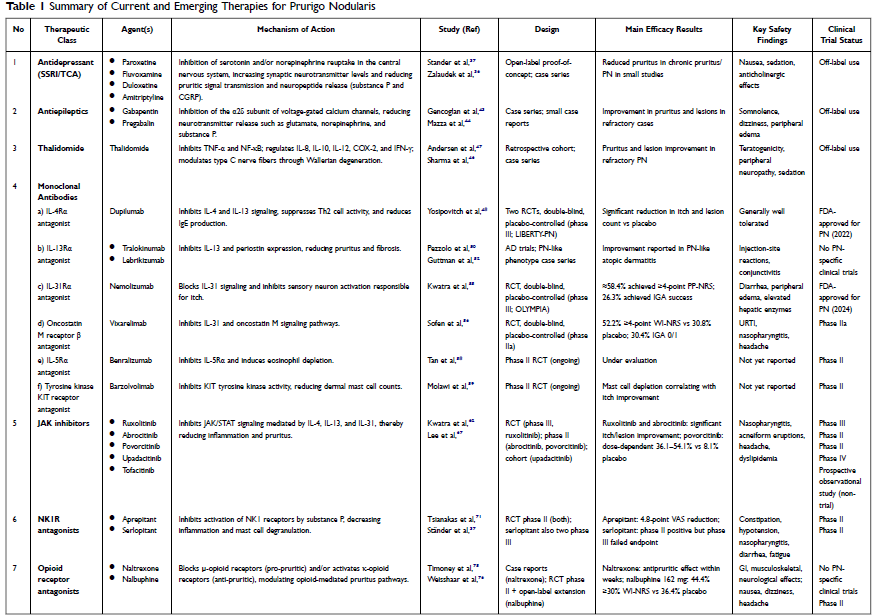
• PN involves interactions among keratinocytes, immune cells, sensory nerves, and neuropeptides.

• Dupilumab is the first FDA-approved biologic for PN, followed by nemolizumab.

• Other agents, including JAK inhibitors, NK1 antagonists, and neuromodulators, are in Phase II–III investigation.

Discussion & Conclusion

• Targeted therapies are critical for improving efficacy beyond conventional treatment.

• Emerging agents act on cytokine–neuroinflammatory pathways to relieve itch and improve quality of life.

Related SDGs

SDG 3: Good Health and Well-Being – Advancing treatment of chronic itchy skin disease

Journal Information

Journal: Clinical, Cosmetic and Investigational Dermatology

DOI: https://doi.org/10.2147/CCID.S626395

Recent Updates on the Role of Genetic and Epigenetic Factors in the Pathogenesis of the Metabolic Syndrome

Recent Updates on the Role of Genetic and Epigenetic Factors in the Pathogenesis of the Metabolic Syndrome

11

Authors
Eko Fuji Ariyanto 1–3, Mohammad Parezal Lastialno4, Devina Nabila Fitri 4, Seysa Azima Arvieri4, Anastasya Kania Farahana 4, Gabriella Sachiko Jannesha Sudirman 4, Mochamad Pandu Akbar Widhiyanto4, Nur Syifa Rahmatika 2,4, Putri Prihatni Sabarina2,4, Yuni Susanti Pratiwi1,2, Gaga Irawan Nugraha 1,2, Mohammad Ghozali 1–3, Mas Rizky A A Syamsunarno1–3, Yunia Sribudiani 1–3, Yoshihiro Matsumura 5,6, Tri Hanggono Achmad1–3

Affiliations

1Department of Biomedical Sciences, Faculty of Medicine, Universitas Padjadjaran, Sumedang, Indonesia; 2Cardiometabolic Working Group, Faculty of Medicine, Universitas Padjadjaran, Sumedang, Indonesia; 3Research Center for Medical Genetics, Faculty of Medicine, Universitas Padjadjaran, Bandung, Indonesia; 4Faculty of Medicine, Universitas Padjadjaran, Sumedang, Indonesia; 5Department of Biochemistry and Metabolic Science, Akita University Graduate School of Medicine, Akita, Japan; 6Division of Metabolic Medicine, Research Center for Advanced Science and Technology, The University of Tokyo, Tokyo, Japan

Background

• Metabolic syndrome (MetS) combines obesity, hypertension, dyslipidemia, and diabetes, driving cardiovascular disease worldwide.

• Genetic predisposition and epigenetic changes interact to shape susceptibility.

Methods

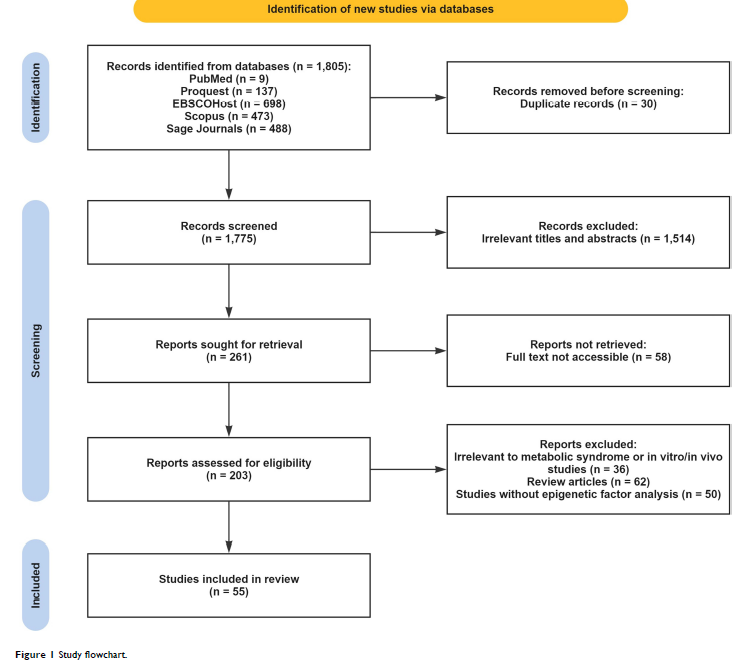
• Systematic review of 55 studies published in the last decade.

• Explored genetic polymorphisms, DNA methylation, and non-coding RNAs linked to MetS.

Key Results

• MetS arises from inherited genomic risk combined with environmentally driven epigenetic reprogramming.

• DNA methylation and non-coding RNAs affect genes involved in neuroendocrine function, adipogenesis, insulin signaling, glucose and lipid metabolism, and inflammation.

Discussion & Conclusion

• Understanding these interactions may enable predictive biomarkers and targeted interventions.

• This could help reduce cardiometabolic risk.

Related SDGs

SDG 3: Good Health and Well-Being – Tackling metabolic and cardiovascular disease

Journal Information

Journal: Diabetes, Metabolic Syndrome and Obesity

DOI: https://doi.org/10.2147/DMSO.S604906

Preventive interventions for preschoolchildren at risk for emotional andbehavioural problems: a scopingreview protocol

Preventive interventions for preschoolchildren at risk for emotional andbehavioural problems: a scopingreview protocol

10Authors
Esme Anggeriyane ,1,2 Siti Yuyun Rahayu Fitri ,3 Meita Dhamayanti ,4 Windy Rakhmawati ,3 Bella Mardya 5

Affiliations
1Doctoral Study Program, Faculty of Medicine, Universitas Padjadjaran, Bandung, Indonesia 2Department of Pediatric Nursing, Faculty of Nursing and Health Sciences, University of Muhammadiyah Banjarmasin, Banjarmasin, Indonesia 3Department of Pediatric Nursing, Faculty of Nursing, Universitas Padjadjaran, Sumedang, Indonesia 4Department of Child Health, Faculty of Medicine, Universitas Padjadjaran, Bandung, Indonesia 5Department of Pediatric Nursing, Faculty of Medicine, Public Health and Nursing, University of Gadjah Mada, Yogyakarta, Indonesia

Background

• Emotional and behavioural problems (EBPs) in preschool children are a growing global concern with lasting developmental impact.

• Evidence on preventive interventions is fragmented.

Methods

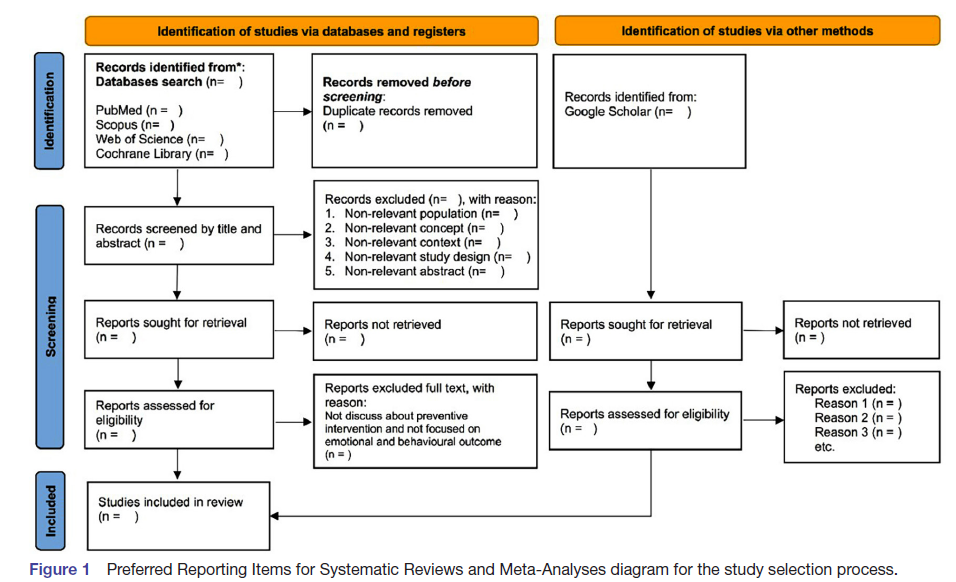
• Scoping review protocol following JBI methodology and PRISMA-ScR reporting.

• Systematic search of Scopus, PubMed, Web of Science, Cochrane Library, and Google Scholar, with no language or year limits.

• Two reviewers will independently screen studies and extract data.

Key Results

• This is a protocol, so findings are not yet available.

• The completed review will map preventive interventions for preschool EBPs using the Neuman Systems Model, presented in figures, tables, and narrative.

Discussion & Conclusion

• The completed review aims to consolidate fragmented evidence on preschool prevention.

• Findings may inform policy and practice in early childhood interventions.

Related SDGs

SDG 3: Good Health and Well-Being – Promoting early childhood mental health

SDG 4: Quality Education – Supporting early childhood development

Journal Information

Journal: BMJ Open

DOI: https://doi.org/10.1136/bmjopen-2025-112010

Pin It on Pinterest