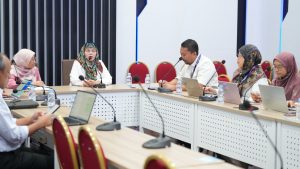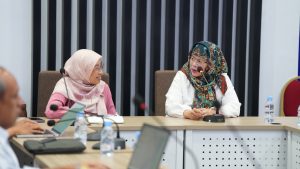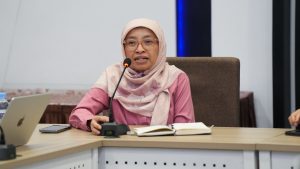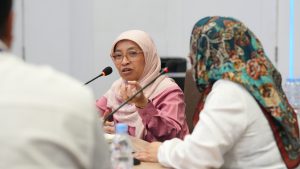

Dies Natalis ke-69 FK Unpad: “The Legacy FK Unpad” Teguhkan Semangat Hebat Bersama, Berkarya untuk Negeri
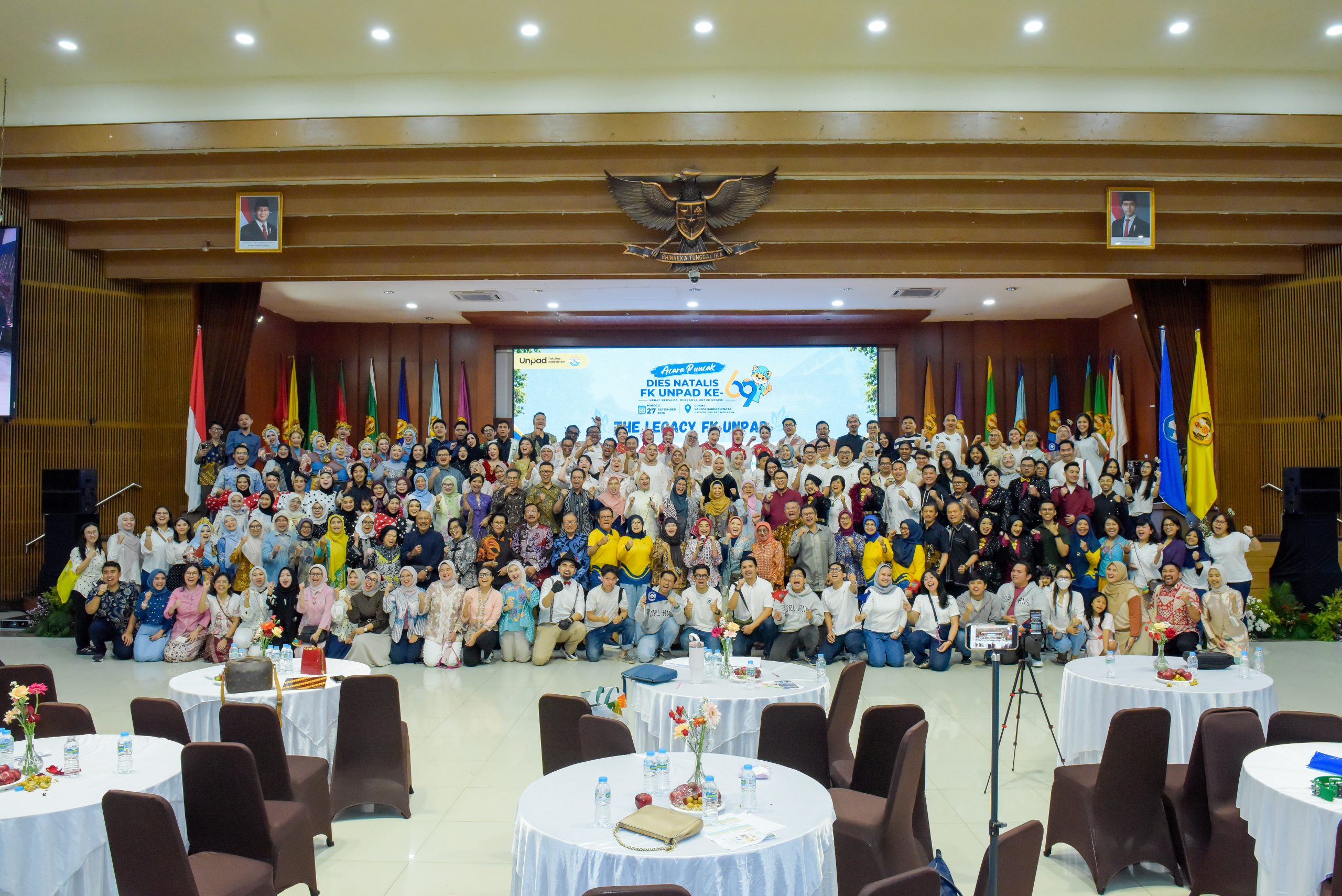
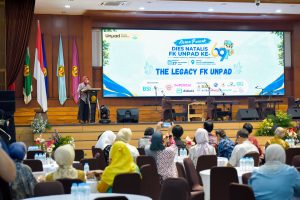
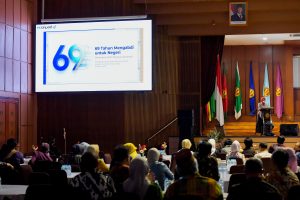
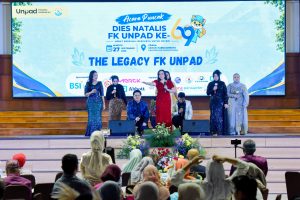
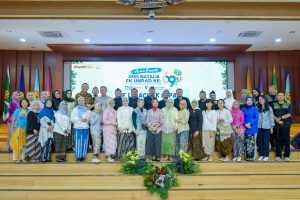
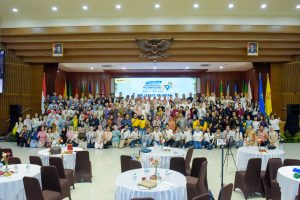
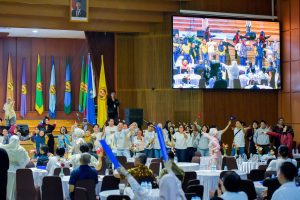
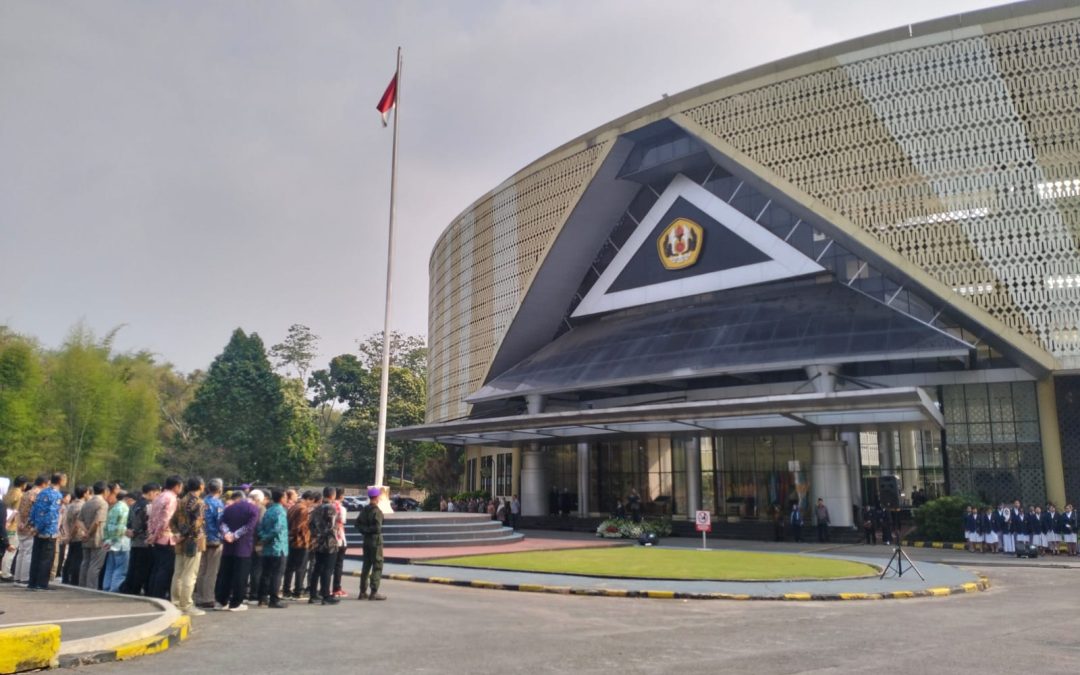
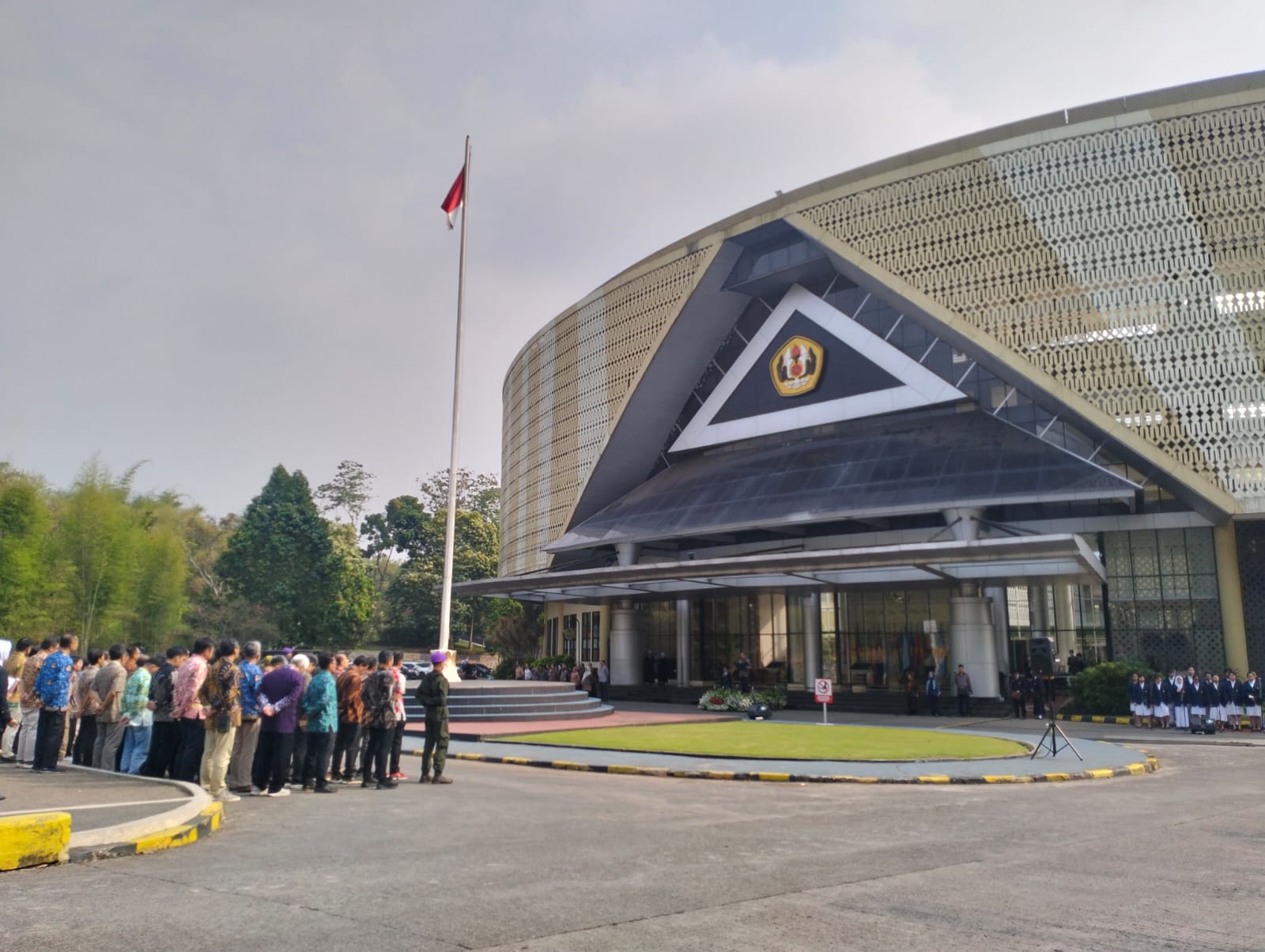
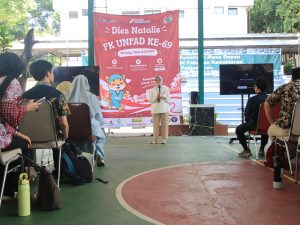
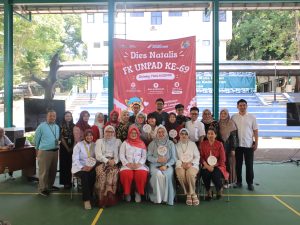
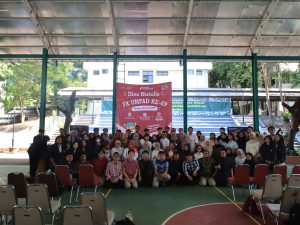
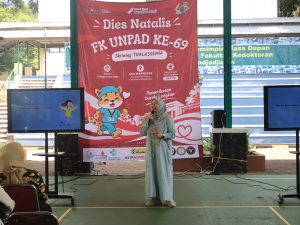
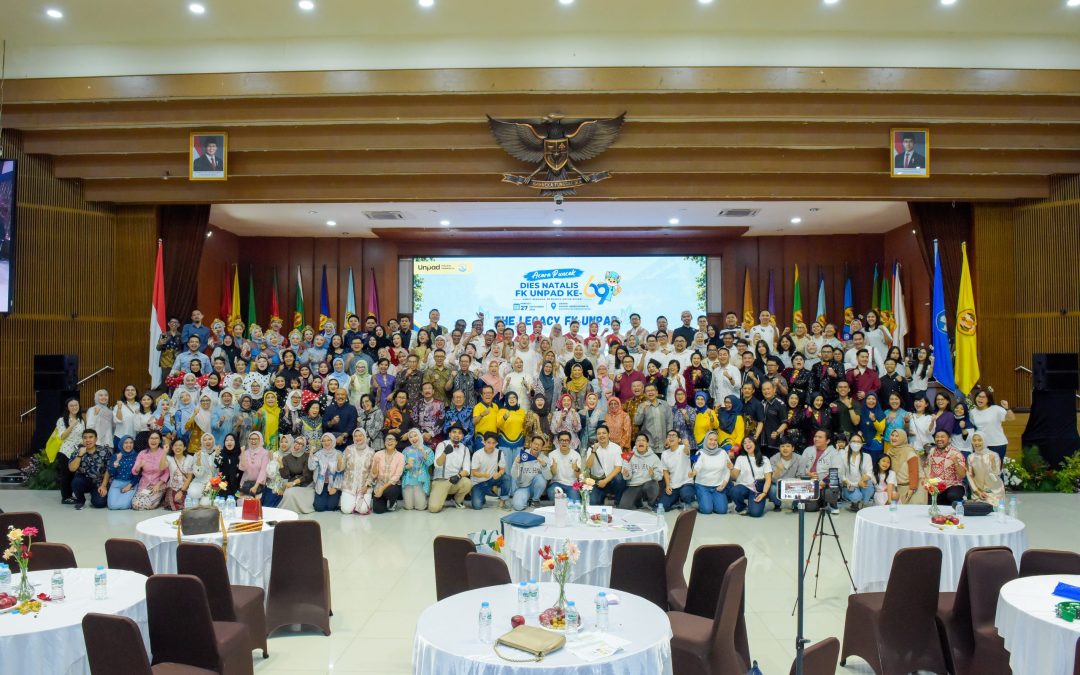
BANDUNG, 27 September 2026 — Fakultas Kedokteran Universitas Padjadjaran (FK Unpad) menyelenggarakan Acara Puncak Dies Natalis ke-69 pada Minggu (27/9/2026) di Aula Graha Sanusi Hardjadinata, Universitas Padjadjaran. Mengusung tema “Hebat Bersama, Berkarya untuk Negeri” dengan tajuk “The Legacy FK Unpad”, kegiatan ini menjadi momentum untuk merefleksikan perjalanan FK Unpad sekaligus meneguhkan komitmen dalam membangun kontribusi bagi bangsa dan dunia kesehatan.
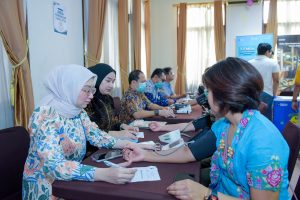
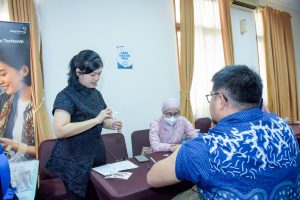
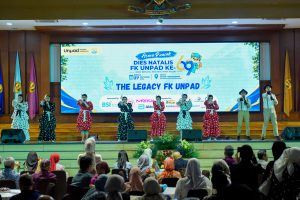
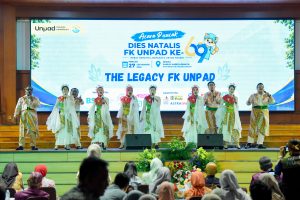
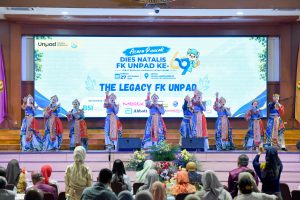
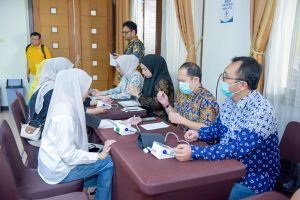
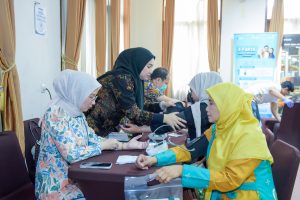
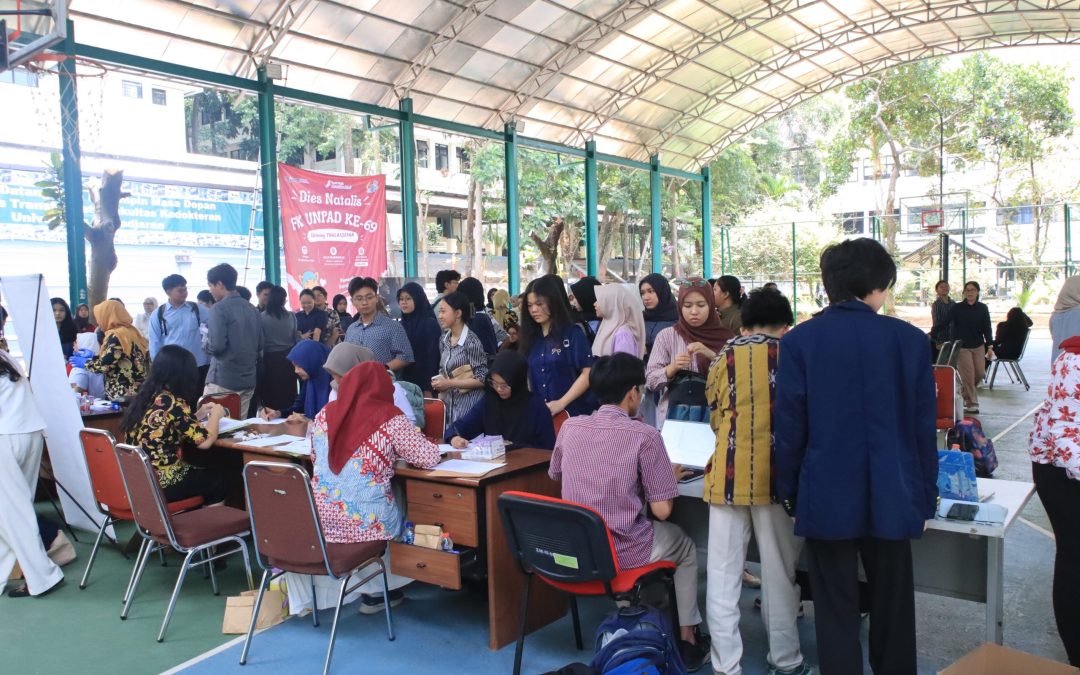
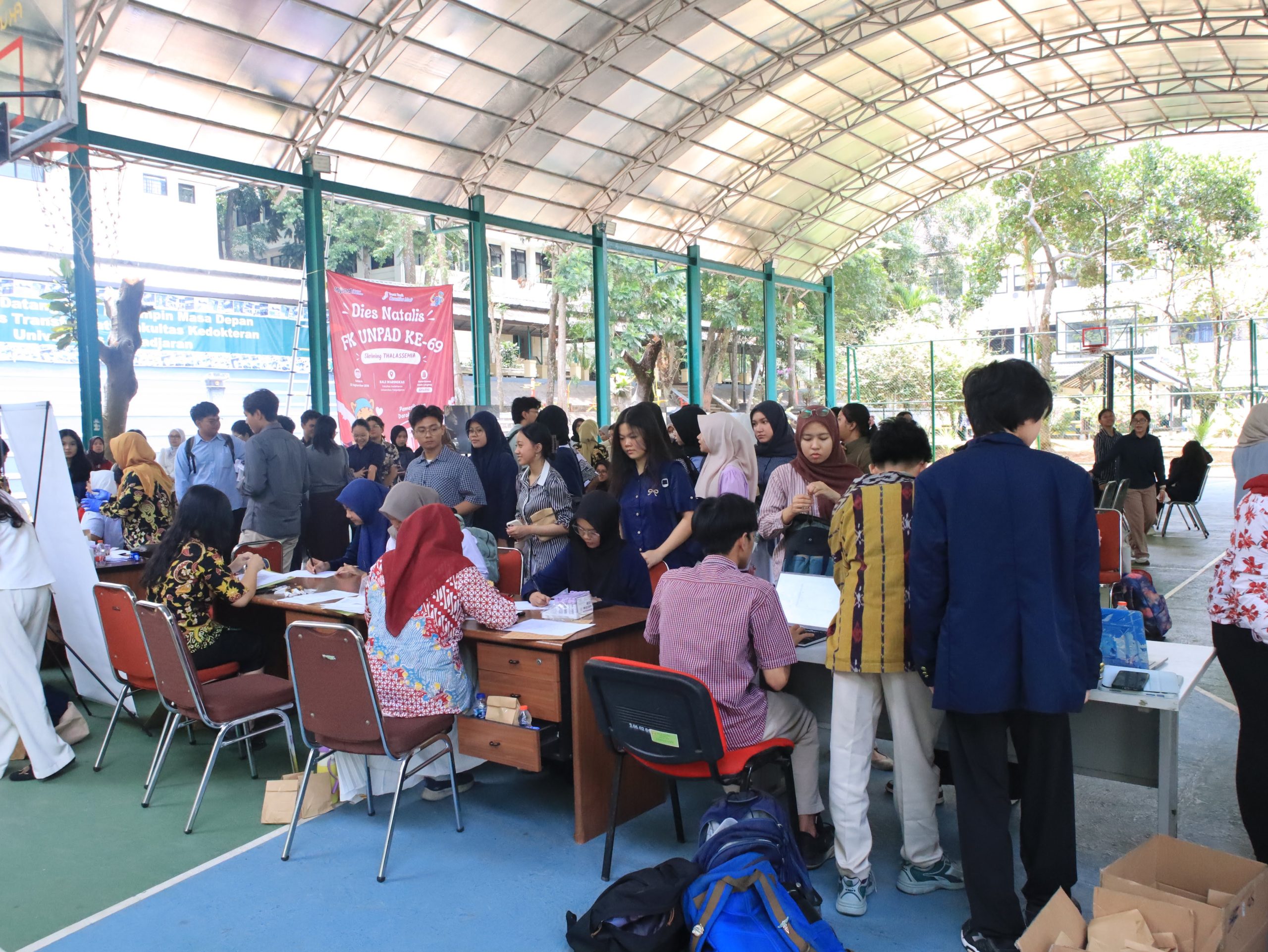
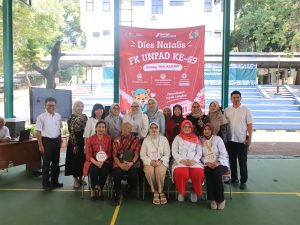
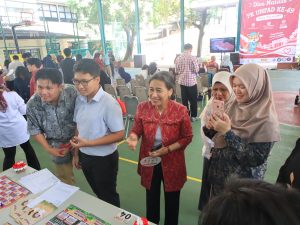
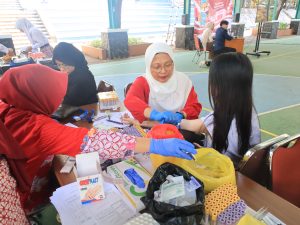
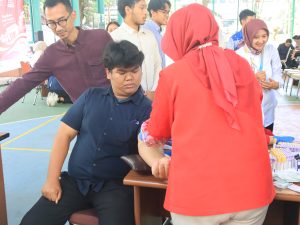
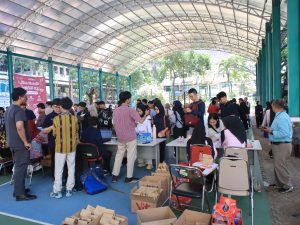
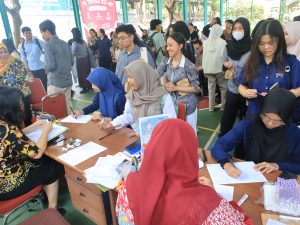
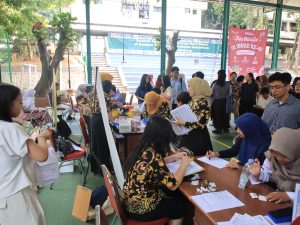
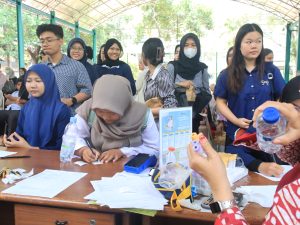
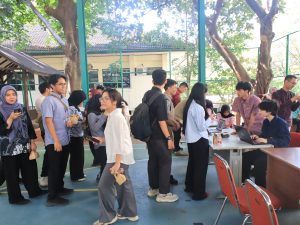
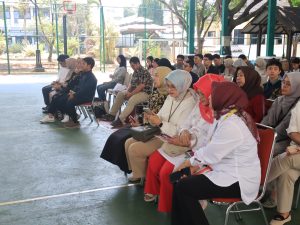
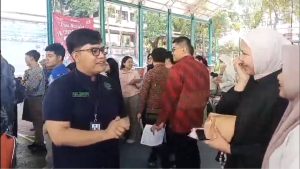
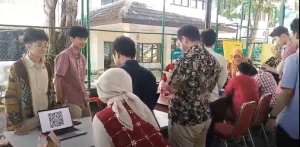
Rangkaian kegiatan tidak hanya diisi dengan seremoni Dies Natalis, tetapi juga menghadirkan berbagai kegiatan bagi sivitas akademika dan keluarga besar FK Unpad, di antaranya vaksinasi dan skrining TSH, penampilan lima besar lomba vocal group, pengumuman pemenang lomba, serta pemberian penghargaan kepada purnabakti FK Unpad.
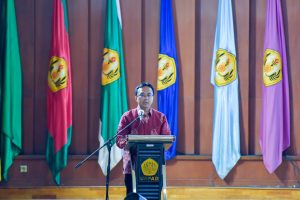
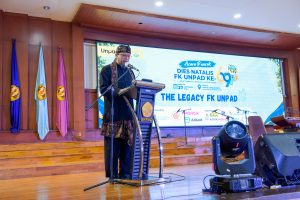
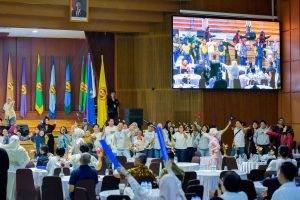
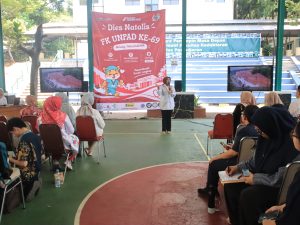
Acara diawali dengan menyanyikan lagu kebangsaan Indonesia Raya dan Hymne Universitas Padjadjaran. Kegiatan kemudian dilanjutkan dengan laporan dan sambutan Dekan FK Unpad, Prof. Dr. Vitriana, dr., SpKFR, NM(K).
Dalam sambutannya, Prof. Vitriana menekankan bahwa perjalanan FK Unpad hingga saat ini merupakan hasil dari kontribusi banyak pihak yang telah menjadi bagian dari sejarah fakultas.
“Setiap kontribusi memiliki arti untuk FK Unpad. FK Unpad yang kita kenang hari ini adalah akumulasi dari legacy banyak orang. Oleh karena itu, Dies Natalis bukan hanya momentum untuk merayakan suatu pencapaian. Dies Natalis pada hari ini adalah saat bagi kita untuk berhenti sejenak, menoleh ke belakang dengan hormat, melihat ke depan dengan keberanian, dan bertanya kepada diri kita sendiri: legacy apa yang akan kita tinggalkan ke depan?” ujar Prof. Vitriana.
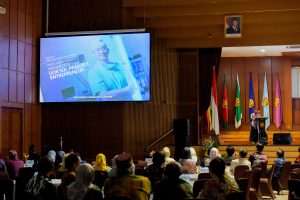
Dalam momentum tersebut, Dekan melaunching video profile FK yang terbaru yang berfokus pada Empat Pilar Strategis Pengembangan di FK Unpad, juga mengenalkan Logo FK Unpad dan video legacy alumni dari perwakilan angkatan setiap dekadenya.
Keempat pilar tersebut (Academic Excellence, Health System Impact, Institutional Strengthening, dan Global Engagement) menjadi landasan dalam memperkuat peran FK Unpad sebagai institusi pendidikan kedokteran yang tidak hanya unggul dalam bidang akademik, tetapi juga memberikan dampak nyata terhadap sistem kesehatan, memperkuat kelembagaan, serta meningkatkan keterlibatan dan jejaring di tingkat global.
Peluncuran Renstra dan logo FK Unpad menjadi bagian penting dari perjalanan menuju masa depan fakultas. Semangat The Legacy FK Unpad tidak hanya berbicara mengenai warisan yang telah dibangun oleh generasi terdahulu, tetapi juga mengenai tanggung jawab generasi saat ini dalam melanjutkan dan menciptakan legacy baru.
Rangkaian acara dilanjutkan dengan sambutan Rektor Universitas Padjadjaran yang diwakili oleh Wakil Rektor Bidang Perencanaan, Transformasi Digital, Keuangan dan Pengelolaan Bisnis Universitas Padjadjaran (Unpad), Prof. Dr. Maman Setiawan, S.E., M.T., Ph.D.,
Jiwa Raih Juara Pertama Lomba Vocal Group
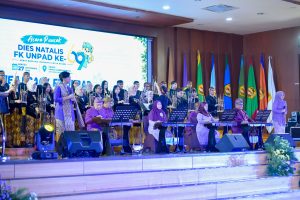
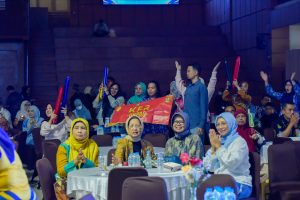
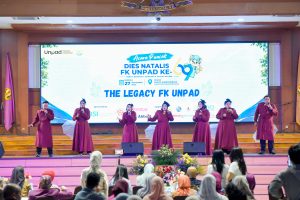
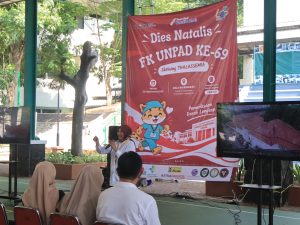
Semarak Dies Natalis ke-69 FK Unpad turut diramaikan dengan penampilan lima besar lomba vocal group yang melibatkan berbagai unsur di lingkungan FK Unpad.
Setelah melalui rangkaian penampilan dan penilaian, Jiwa berhasil meraih Juara 1, disusul THT sebagai Juara 2 dan IKA sebagai Juara 3. Sementara itu, penghargaan Juara Favorit diraih oleh DVE dan IKFR.
Perwakilan Jiwa menyampaikan rasa syukur atas pencapaian tersebut. Menurutnya, proses latihan yang dilalui tidak selalu mudah, tetapi dukungan dari berbagai pihak menjadi salah satu kekuatan hingga akhirnya berhasil meraih juara pertama.
“Alhamdulillah ada lika-liku di dalam setiap latihannya, tapi alhamdulillah kita mendapat juara 1,” ungkap perwakilan Jiwa.
Ia juga menyampaikan pesan mengenai pentingnya menjaga kesehatan mental sebagai bagian yang tidak terpisahkan dari kesehatan secara keseluruhan.
“Tiada kesehatan tanpa kesehatan jiwa, jadi kita semua penting banget untuk menjaga kesehatan mental. Terima kasih buat dokter-dokter, konsulen, teteh alumni, dan pelatih kita Kang Ganjar dan Teh Rina yang sangat luar biasa, serta dukungan dari teman-teman semua,” tambahnya.
Menghargai Dedikasi Purnabakti FK Unpad
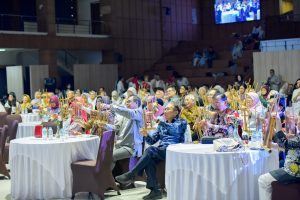
Salah satu bagian penting dalam rangkaian acara adalah pemberian penghargaan kepada para purnabakti Fakultas Kedokteran. Penghargaan tersebut menjadi bentuk apresiasi FK Unpad atas dedikasi, pengabdian, dan kontribusi yang telah diberikan selama menjadi bagian dari perjalanan fakultas.
Penghormatan terhadap para purnabakti sekaligus merefleksikan makna legacy yang menjadi tema utama Dies Natalis ke-69. Setiap generasi memiliki peran dalam membangun FK Unpad, dan kontribusi tersebut menjadi bagian dari fondasi bagi perkembangan fakultas pada masa mendatang.
Menutup Perayaan dengan Semangat Kebersamaan
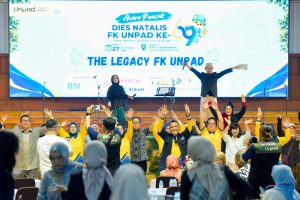
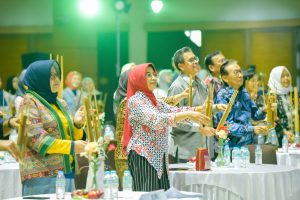
Acara Puncak Dies Natalis ke-69 FK Unpad ditutup dengan berbagai persembahan yang semakin memperkuat suasana kebersamaan keluarga besar FK Unpad. Persembahan dari alumni Angkatan 1981 menjadi salah satu momen yang menghadirkan kembali hubungan lintas generasi dalam keluarga besar FK Unpad.
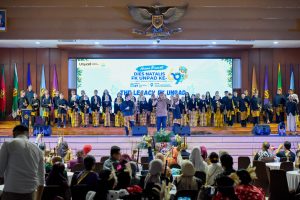
Rangkaian acara kemudian ditutup dengan persembahan Hymne FK Unpad oleh para pemenang lomba vocal group.
Melalui perayaan Dies Natalis ke-69, FK Unpad tidak hanya mengenang perjalanan panjang yang telah dilalui, tetapi juga meneguhkan komitmen untuk terus bergerak dan berkarya. Semangat “Hebat Bersama, Berkarya untuk Negeri” menjadi pengingat bahwa masa depan FK Unpad dibangun melalui kontribusi bersama seluruh sivitas akademika, alumni, tenaga kependidikan, serta seluruh keluarga besar FK Unpad.
Dengan semangat The Legacy FK Unpad, perjalanan 69 tahun menjadi pijakan untuk melangkah menuju masa depan, melanjutkan legacy yang telah dibangun, sekaligus menciptakan warisan baru yang memberikan manfaat bagi pendidikan kedokteran, sistem kesehatan, masyarakat, dan bangsa.