

Authors
Vania Flowerina, Dini Hidayat, Muhammad Alamsyah Aziz
Affiliations
Obstetrics and Gynaecology Department, Faculty of Medicine Universitas Padjadjaran – Dr. Hasan Sadikin General Hospital, Bandung, Indonesia
Background
• Intrauterine fetal death (IUFD) at 20 weeks or later requires safe and effective labor induction.
• This study assessed the efficacy of vaginal misoprostol.
Methods
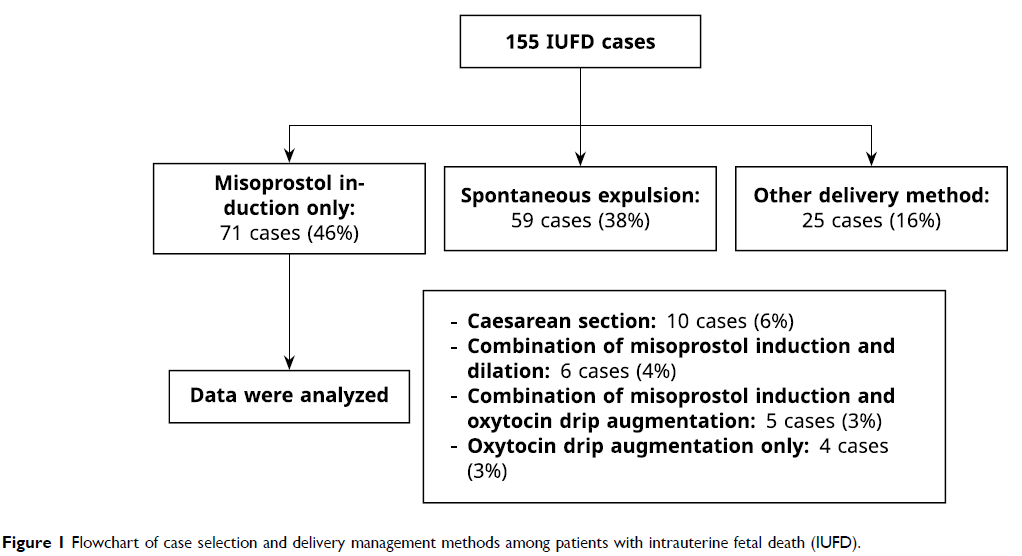
• Retrospective cohort at Dr. Hasan Sadikin General Hospital, Bandung (2021–2023).
• 71 women with IUFD at ≥20 weeks who received misoprostol-only induction, compared across gestational age groups (21–27, 28–36, and ≥37 weeks).
• Outcomes: induction-to-contraction interval, induction-to-delivery interval, and cumulative dose.
Key Results
• Median induction-to-contraction time was 12, 6, and 3 hours across the three groups.
• Median induction-to-delivery time was 13, 10, and 6 hours.
• Median cumulative dose fell from 200 µg to 100 µg to 50 µg with advancing gestational age.
Discussion & Conclusion
• Vaginal misoprostol was associated with shorter induction intervals and lower doses at later gestational ages.
• Prospective multicenter studies are needed to confirm optimal regimens and safety.
Related SDGs
SDG 3 – Good Health and Well-Being
The study evaluates the efficacy of vaginal misoprostol for labor induction in cases of intrauterine fetal death (IUFD), with a focus on improving clinical management and maternal care.
SDG 5 – Gender Equality
The research focuses on women’s reproductive and obstetric health, particularly the management of IUFD and labor induction.
Journal Information
Journal: International Journal of Women’s Health
DOI: https://doi.org/10.2147/IJWH.S603527





0 Comments