

Authors
Dewi Kartika Turbawaty , Ananda Dewa, Agnes Rengga Indrati , Tiene Rostini
Affiliations
Department of Clinical Pathology, Faculty of Medicine Universitas Padjadjaran/Hasan Sadikin General Hospital, Bandung, West Java, Indonesia
Background
• Ventilator-associated pneumonia (VAP) is a common ICU complication with high mortality.
• Early risk stratification is limited by complex scores and slow microbiology results.
Methods
• Retrospective cohort of 87 ventilated adults with VAP at Hasan Sadikin General Hospital (2021–2022).
• NLR and SIRI were calculated from the first blood count on the day of VAP diagnosis.
• ROC analysis set cut-offs; the outcome was in-hospital mortality.
Key Results
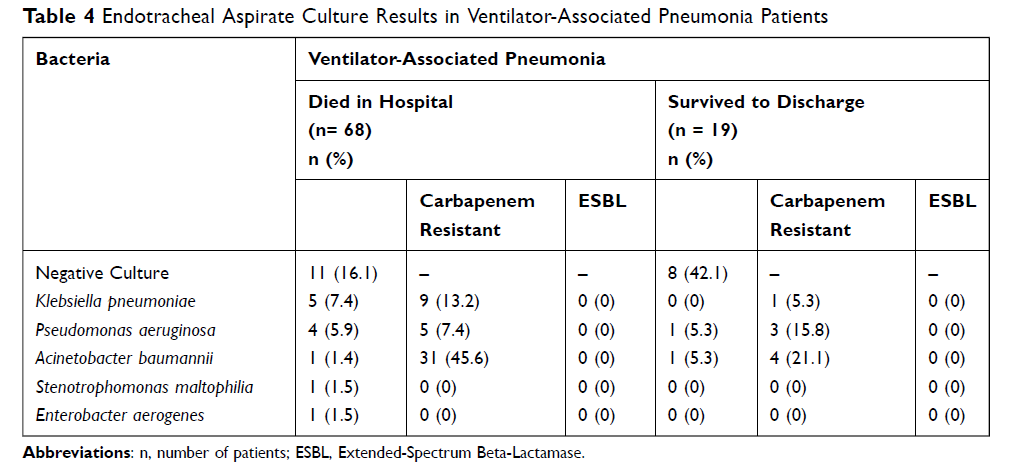
• 68 of 87 patients died in hospital.
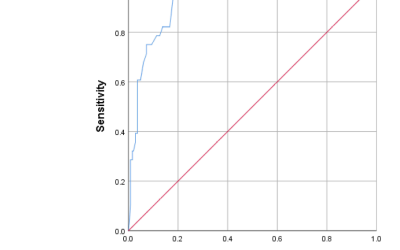
• NLR showed excellent discrimination (AUC 0.981); a cut-off above 11 gave 100% sensitivity and 89.5% specificity.
• SIRI showed good discrimination (AUC 0.860); a cut-off above 16 gave 100% specificity.
Discussion & Conclusion
• NLR and SIRI are simple, non-invasive markers that can support early risk stratification in VAP.
• They should complement, not replace, clinical severity assessment.
Related SDGs
1. SDG 3 – Good Health and Well-Being Primary and highly relevant.
The study addresses ventilator-associated pneumonia (VAP), a serious ICU infection with high mortality, and evaluates NLR and SIRI as simple markers for early risk stratification and clinical monitoring.
2. SDG 9 – Industry, Innovation and Infrastructure Highly relevant
The research evaluates accessible laboratory biomarkers derived from routine complete blood counts as complementary tools for risk stratification, particularly where complex prognostic scoring or rapid microbiology testing may be less readily available.
Journal Information
Journal: Infection and Drug Resistance
DOI: https://doi.org/10.2147/IDR.S572622

0 Comments