

Authors
Muhammad Gilang Dwi Putraa, Rodman Tarigan Girsanga, Rais Amaral Haqb, Teuku Fais Dutac, Frengki Prabowo Saputro Wijayantod, Artha Maressa Theodora Simanjuntakd, Eddy Fadlyanaa and Kusnandi Rusmila
Affiliations
aClinical Research Unit, Child Health Department, Faculty of Medicine Universitas Padjadjaran, Bandung, Indonesia; bMedical Education Study Program, Faculty of Medicine, Universitas Lampung, Bandar Lampung, Indonesia; cMedical Education Study Program, Faculty of Medicine, Universitas Syiah Kuala, Banda Aceh, Indonesia; dMedical Education Study Program, Faculty of Medicine Public Health and Nursing, Gadjah Mada University, Yogyakarta, Indonesia
Background
• Enterovirus 71 (EV-A71) is a principal cause of hand, foot, and mouth disease (HFMD) and can lead to severe neurological complications in children.
• Inactivated EV-A71 vaccines have been introduced.
Methods
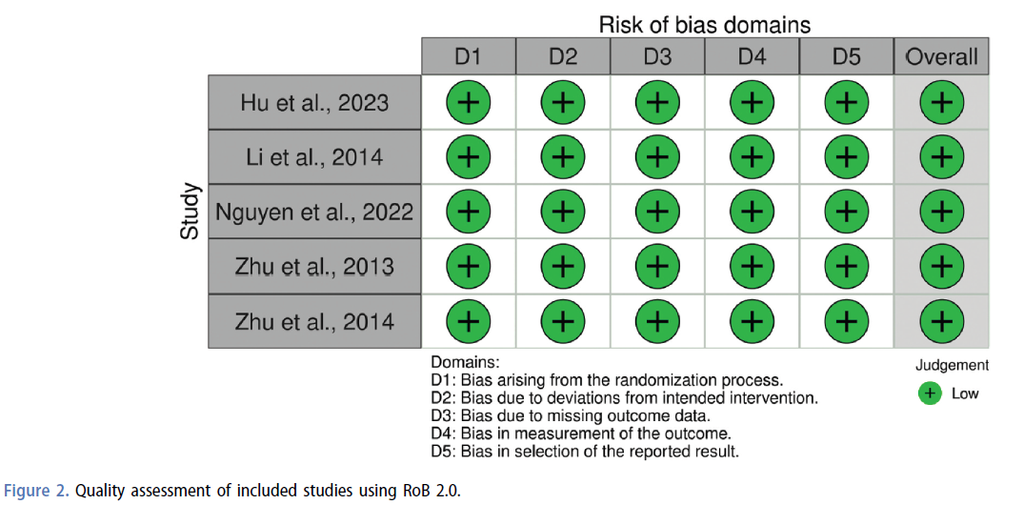
• Systematic review and meta-analysis with a PROSPERO-registered protocol.
• Randomized trials in children searched via PubMed, Scopus, Cochrane, and ClinicalTrials.gov.
• Five phase III trials involving 36,659 children.
Key Results
• Vaccination significantly increased seropositivity in early, medium-term, and long-term follow-up.
• Seroconversion was significantly higher in vaccinated children (pooled RR 13.04).
• Efficacy against EV-A71-associated HFMD exceeded 98%, with mild adverse events comparable to placebo.
Discussion & Conclusion
• Inactivated EV-A71 vaccines show robust immunogenicity, high efficacy, and an acceptable safety profile.
• Future studies should explore long-term protection, booster schedules, and multivalent formulations.
Related SDGs
SDG 3: Good Health and Well-Being – Protecting children through vaccination
Journal Information
Journal: Expert Review of Vaccines





0 Comments