

Authors
Ruswana Anwar1, Aditya Utomo1, Dina Marlina1, Megawati Al’badly Ponco Dewi Poernomo2, Putri Nadhira Adinda Adriansyah3, Beni Samsul Amri4, Artha Falentin Putri Susilo1, Mulyanusa Amarullah Ritonga1 and Anita Rachmawati1
Affiliations
1Department of Obstetrics and Gynecology, Faculty of Medicine, Universitas Padjadjaran – Dr. Hasan Sadikin Hospital, Bandung, Indonesia 2Faculty of Medicine, Universitas Jenderal Soedirman, Purwokerto, Indonesia 3Faculty of Medicine, Universitas Padjadjaran, Bandung, Indonesia 4Department of Obstetrics and Gynecology, Universitas Jenderal Soedirman, Purwokerto, Indonesia
Background
• Endometriosis affects about 10% of women of reproductive age worldwide, yet no curative treatment exists.
• Diagnosis is often delayed due to a lack of non-invasive tests, especially in low-resource settings.
Methods
• Descriptive study at Prof. Dr. Margono Soekarjo General Hospital, Indonesia, of all patients referred as suspected endometriosis to the fertility endocrinology clinic from 2020 to 2024.
• All participants underwent surgery, and diagnosis was confirmed by histopathology; patient characteristics were analysed to identify predictive features.
Key Results
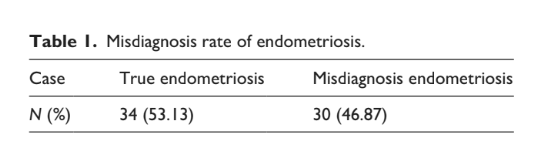
• 46.87% of suspected cases were ultimately found to be non-endometriosis, reflecting a high misdiagnosis rate.
• Dysmenorrhea, early onset of dysmenorrhea, and high menstrual volume were significantly associated with histologically confirmed endometriosis.
Discussion & Conclusion
• Nearly half of suspected endometriosis cases were misdiagnosed, contributing to diagnostic delays and delayed treatment.
• Specific symptoms such as dysmenorrhea, its early onset, and heavy menstrual volume may help identify true cases earlier, especially where diagnostic access is limited.
Related SDGs
SDG 3: Good Health and Well-Being – Reducing diagnostic delays in women’s reproductive health
SDG 10: Reduced Inequalities – Improving care access in low-resource settings
Journal Information
Journal: Sage Open Medicine



0 Comments