

Authors
Riyadi Adrizain a,*, Ismiana Modjaningrat c, Winyarti c, Fadila Dyah Trie Utami a, Wilson Surya Lesmana d, Vita Indriasari b, Dedi Rachmadi Sjambas a
Affiliations
a Department of Child Health, Faculty of Medicine, Universitas Padjadjaran/Hasan Sadikin General Hospital, Bandung, West Java, Indonesia b Pediatric Surgery Division, Department of Surgery, Faculty of Medicine, Universitas Padjadjaran/Hasan Sadikin General Hospital, Bandung, West Java, Indonesia c Pediatric Resident, Department of Child Health, Faculty of Medicine, Universitas Padjadjaran/Hasan Sadikin General Hospital, Bandung, West Java, Indonesia d Pediatric Surgery Resident, Department of Surgery, Faculty of Medicine, Universitas Padjadjaran/Hasan Sadikin General Hospital, Bandung, West Java, Indonesia
Background
• Nephrotic syndrome (NS) involves heavy protein loss in urine, and poorly controlled disease can lead to serious infectious complications.
• Immunocompromised children with NS face added risk from opportunistic infections.
Methods
• Case report of a 9-year-old boy with a history of nephrotic syndrome since age 7, poorly controlled due to irregular medication use.
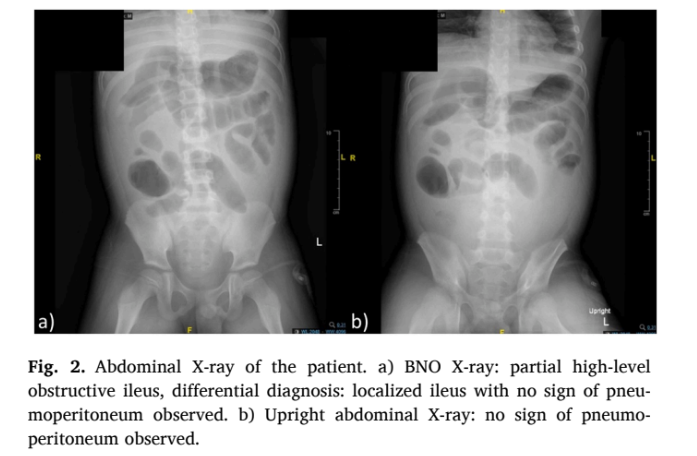
• He presented with worsening abdominal pain, fever, and facial oedema, and was managed through hospitalization with imaging, lavage drainage, and antibiotic therapy.
Key Results
• The patient was diagnosed with spontaneous bacterial peritonitis and septic shock related to uncontrolled nephrotic syndrome.
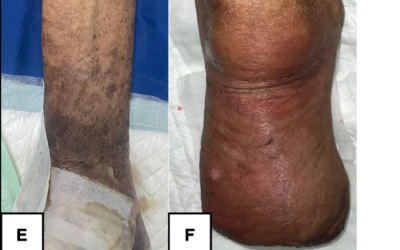
• During hospitalization he developed herpes zoster skin lesions linked to his immunocompromised state.
• He improved with antibiotics and supportive care and was discharged with outpatient follow-up.
Discussion & Conclusion
• This case highlights the importance of early, aggressive intervention in immunocompromised children with nephrotic syndrome facing multiple infectious complications.
• Regular medication adherence is critical to preventing this kind of double infectious burden.
Related SDGs
SDG 3: Good Health and Well-Being – Improving care for children with complex kidney disease
Journal Information
Journal: Idcases


0 Comments