

$

PAUS ID

Padjadjaran Authentication System.

$

Portal Mahasiswa

Merupakan portal informasi bagi mahasiwa UNPAD

$

Portal Staff

Merupakan portal informasi bagi staf UNPAD.

$

Email UNPAD

Layanan email berbasis Google App for Education (GAFE) bagi seluruh sivitas akademika Unpad.

UNPAD

Diet Pill Plus Meal Plan: Unpad Study Shows Safer, More Effective Weight Loss

Obesity remains a growing public health concern in Indonesia, leading to diabetes, heart disease, and reduced quality of life. Researchers from Universitas Padjadjaran, led by Dr. Gaga Irawan Nugraha, set out to test whether combining a prescription weight-loss drug with structured diet counseling could provide better results than dieting alone.

The study enrolled adults struggling with obesity and divided them into groups — one receiving diethylpropion plus dietary guidance, and the other relying on dietary changes only. Over several weeks, participants on the combined plan not only lost more body weight and fat but also preserved muscle mass, a crucial factor in maintaining long-term health.

The mechanism is straightforward: diethylpropion acts to reduce appetite, making it easier for patients to stick to calorie goals, while professional diet planning ensures nutrient balance and gradual, sustainable loss. Importantly, no severe side effects were observed, supporting the treatment’s safety when used under medical supervision.

This approach empowers patients with both medical and lifestyle tools, aligning with SDG 3 by reducing risks of non-communicable diseases. With obesity rates rising in Southeast Asia, such integrated interventions could become an essential part of public health strategies.
Measuring COVID-19 Immunity: Unpad Study Clarifies Protection Levels from SARS-CoV-2 Antibodies

Bandung, Indonesia — Understanding how well our bodies are protected after COVID-19 vaccination or infection remains a critical question for public health. Dr. Agnes Rengga Indrati from the Department of Clinical Pathology, Faculty of Medicine, Universitas Padjadjaran led a study to assess the protection level provided by S-RBD SARS-CoV-2 Immunoglobulin G (IgG) antibodies using a chemiluminescent immunoassay.

The S-RBD antibodies target the virus’s spike protein receptor-binding domain, blocking it from attaching to human cells. Measuring these antibodies offers an important tool for gauging immunity, especially in populations at higher risk.

In this research, samples from participants were analyzed to determine antibody concentrations and compare them with established protection thresholds. The findings provided clear data on what antibody levels correspond to a likely protective effect against COVID-19. This information is crucial for healthcare providers to guide booster vaccination schedules, particularly for vulnerable groups such as the elderly or immunocompromised.

By standardizing how antibody levels are interpreted, the study supports more precise public health decisions, ensuring resources are allocated efficiently and effectively. It also empowers individuals and communities with clearer understanding of their immunity status.

This work contributes to SDG 3: Good Health and Well-being, reinforcing Universitas Padjadjaran’s role in translating laboratory science into actionable health strategies that have both local and global relevance — and strengthening the university’s position in the Times Higher Education Impact Rankings.

Vitamin D, Immune Cells, and Melanoma: Unpad Researchers Map the Connection

Melanoma, an aggressive form of skin cancer, poses a significant challenge in Indonesia, particularly in acral and mucosal types, which are more common among Asian populations. A team from Universitas Padjadjaran, led by Dr. Hermin Aminah Usman, investigated two key biological markers — the Vitamin D Receptor (VDR) and CD8+ T-lymphocytes — to understand their relationship with melanoma invasion depth.

Analyzing patient tumor samples, the researchers quantified VDR expression and the density of CD8+ immune cells, then correlated these with the tumor’s Breslow thickness (a measure of how deep the cancer has penetrated the skin). Their statistical analysis revealed that higher VDR expression was associated with shallower tumors, while increased CD8+ infiltration correlated with stronger immune defense against tumor spread.

This suggests a potential dual protective pathway: vitamin D signaling may enhance immune surveillance, while cytotoxic T cells directly attack cancerous cells. The findings support considering vitamin D optimization and immune modulation as part of melanoma management strategies.

For Indonesia, where sunlight is abundant yet vitamin D deficiency is surprisingly common, the results carry both public health and clinical implications — calling for awareness campaigns and potential supplementation programs to strengthen cancer defenses.

From Kitchen to Classroom: How a Local Snack Could Tackle Child Malnutrition in Indonesia

West Java, Indonesia — In a small village school in West Java, the sound of children laughing fills the air during recess. But behind those smiles lies a hidden struggle: many of these young students are not getting the nutrients they need to grow strong and healthy.

This was the challenge faced by Dr. Yenni Zuhairini and her colleagues from the Department of Nutrition, Faculty of Medicine, Universitas Padjadjaran. Determined to make a change, they envisioned a solution that could fit right into children’s daily lives — a snack that is both delicious and nutritious, made entirely from local ingredients.

The team developed SISTIK, a crunchy, savory treat enriched with chicken liver and eggshell powder — both excellent sources of iron and calcium. “We wanted something that children would actually enjoy eating, without realizing it’s packed with the nutrients their bodies need,” Dr. Zuhairini explained.

The researchers didn’t stop at creating the recipe. They brought SISTIK to the children, observing not only how they reacted to the taste but also whether it could become a regular part of their diet. The trial showed that the snack was well-received, and more importantly, it had the potential to address micronutrient deficiencies common in Indonesian schoolchildren.

If scaled up, SISTIK could be a simple, low-cost tool in the fight against malnutrition — replacing empty-calorie snacks with something that fuels growth, strengthens bones, and supports learning. Its reliance on locally sourced ingredients also supports rural farmers and reduces dependence on expensive imported supplements.

This initiative directly supports SDG 3: Good Health and Well-being and SDG 12: Responsible Consumption and Production, showing how innovation can start in the kitchen and ripple outward to strengthen communities. For Universitas Padjadjaran, it’s another example of research that blends science with compassion — and helps raise the university’s profile in the Times Higher Education Impact Rankings.

Unpad Study Reveals High Flu Risk Among Children in West Java, Suggests Vaccination Focus

Picture7

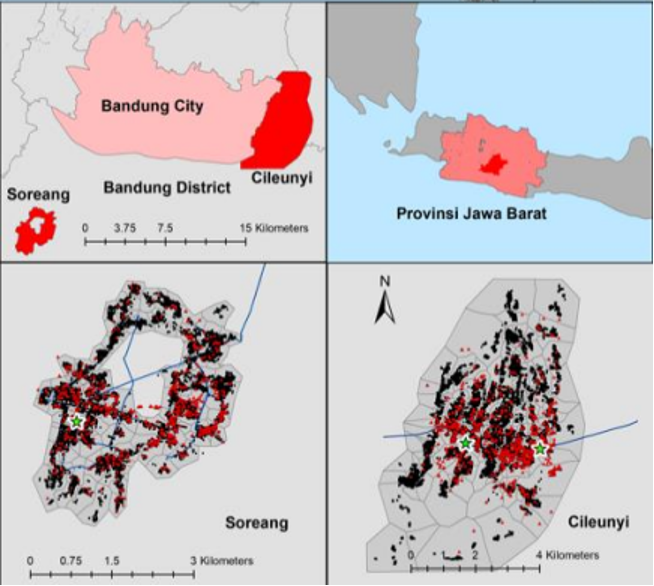
West Java, Indonesia — A multi-year population-based study by Universitas Padjadjaran (Unpad) has revealed that young and school-aged children in two communities in Bandung district face significantly higher risks of influenza infections than other age groups. The study, led by Dr. Dwi Agustian from the Department of Public Health, Faculty of Medicine, Unpad, is one of the few in Indonesia to measure influenza incidence in real-world, community-based settings rather than hospitals.

The research, conducted between 2008 and 2011 in Cileunyi and Soreang, provides critical insights into how influenza circulates among the general population and how frequently people get infected. Unlike previous hospital-based studies, this one tracked over 3,000 individuals with influenza-like symptoms at local public health centers and tested them using PCR diagnostics. The results showed that children under five years old had the highest incidence of symptomatic influenza A and B, followed by school-aged children.

“We observed that influenza hits children the hardest and most frequently,” said Dr. Agustian. “This is important data to support policies for influenza vaccination, especially among children in low- and middle-income countries like Indonesia.”

The study also tracked how different influenza strains, including the pandemic H1N1 virus in 2009, circulated throughout the region. It found that flu viruses are active almost year-round, with several seasonal peaks that often align with periods of high rainfall. This makes it difficult to determine a single best time for mass vaccination—though the authors suggest it could be done ahead of the rainy season or adjusted to specific needs, such as the Hajj pilgrimage season.

Importantly, the research addresses a critical gap: lack of baseline data for guiding national influenza prevention programs. Despite WHO recommendations, influenza vaccination is still not part of Indonesia’s national immunization schedule, partly due to insufficient evidence on community-level burden.

By quantifying how many people get flu each year—and who is most at risk—this study offers much-needed evidence for targeted public health interventions, especially in vulnerable child populations.

This work supports Sustainable Development Goal (SDG) 3: Good Health and Well-being, by offering concrete data for infectious disease prevention. It also reflects Unpad’s growing contribution to evidence-based public health, further enhancing its position in the Times Higher Education (THE) Impact Rankings as a university committed to solving real-world health challenges.

Pin It on Pinterest